عربي
عربي English
 Español
 Português
 한국어
한국어


لا تعني عبارة "موافق عليه" بالضرورة "جاهز للإنتاج".
ربما تم قبول لون الترازو. ربما تم توقيع عينة التشطيب. ربما يبدو تصميم الجدار أو الأرضية الأخير صحيحًا. ربما تم إصدار أمر الشراء. ومع ذلك، قد لا يزال المصنع يعمل بقائمة مقاسات قديمة، أو بتعديل غير واضح للرسم، أو برمز منتج مختلف، أو بتعليقات موافقة لم يتم إغلاقها رسميًا.
قبل إنتاج الترازو في بداية المشروع، يحتاج المشترون إلى أكثر من مجرد مجموعة من الموافقات المنفصلة. إنهم بحاجة إلى حزمة إنتاج متسقة وقابلة للتتبع تُحدد للمورد بدقة ما يمكن إنتاجه، والوثائق التي تتحكم في الطلب، ومن يملك صلاحية الموافقة عليه، وما الذي لا يزال معلقًا.
لا يهدف إصدار المنتج إلى تكرار كل نقاش فني حول أرضيات الترازو، بل إلى التأكيد على أن القرارات المتخذة مسبقاً بشأن المواد والتشطيب والتطبيق والرسومات والكميات تشير الآن إلى المنتج نفسه ومجموعة الوثائق الحالية نفسها.
قد تتم الموافقة على عينة من أرضيات الترازو لعدة أسباب مختلفة.
قد يؤكد ذلك ما يلي:
·ألوان المصفوفة العامة
·ألوان مجمعة
·الحجم التقريبي للشريحة وكثافتها
·تشطيب السطح
·الطابع المادي العام
·ملاءمة لمزيد من تطوير التصميم
لا يُعدّ هذا الموافقة تأكيداً تلقائياً لما يلي:
·رمز المنتج النهائي
·صيغة الإنتاج النهائية
·تنوع كامل للوح أو لوحة كاملة
·السماكة النهائية
·أبعاد قابلة للقص حسب المقاس
·تفاصيل الحواف
·الفتحات والقطع
·كمية
·تخصيص المنطقة
·تسلسل التعبئة
·معالجة تعتمد على التثبيت
يمكن الموافقة على عينة بينما لا يزال الطلب النهائي غير جاهز للإنتاج.
لذا، ينبغي أن يوضح سجل الموافقة ما يوافق عليه النموذج وما لا يوافق عليه. عبارات مثل "تمت الموافقة على النموذج" أو "يبدو جيدًا" مبهمة للغاية عندما يحتاج المصنع إلى تعليمات دقيقة.
ينبغي أن تكون الموافقة المفيدة قابلة للتتبع إلى مرجع العينة، واسم المنتج، والتاريخ، والتشطيب، والتطبيق المقصود.
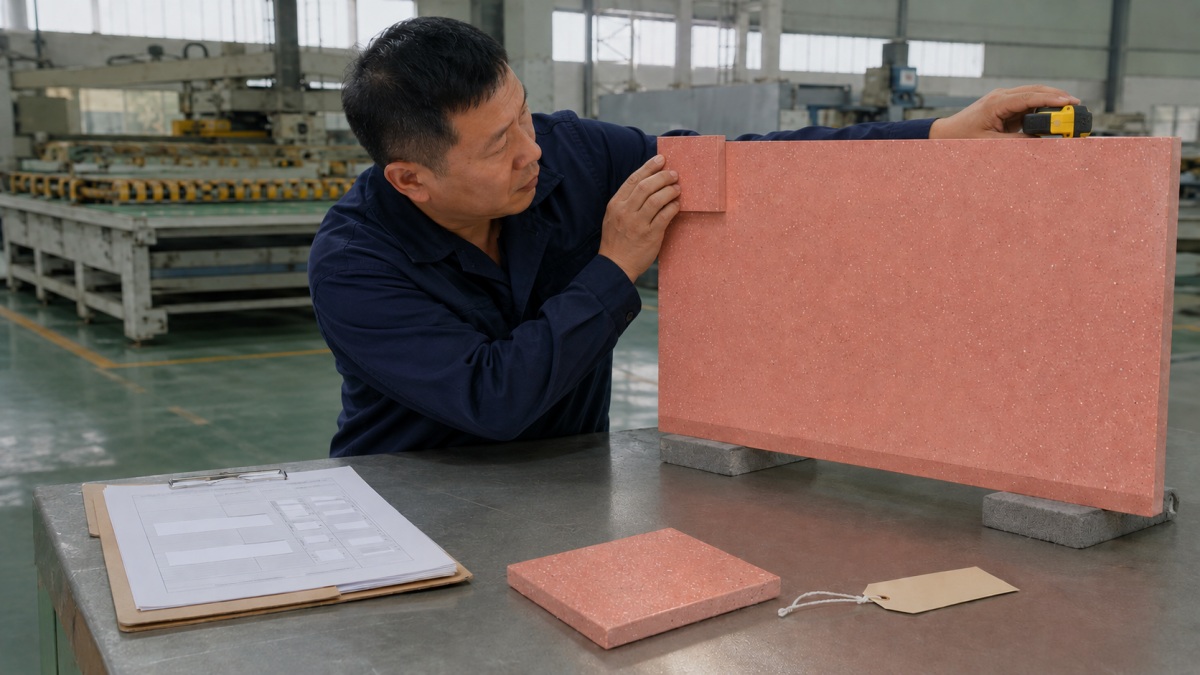
قبل بدء الإنتاج، يجب أن يكون فريق المشروع قادراً على تحديد المنتج بدقة دون الاعتماد فقط على وصف مرئي مثل "تيرازو أبيض مع رقائق كبيرة".
يجب أن يتضمن إصدار الإنتاج ما يلي:
·اسم المنتج أو رمزه
·نوع المادة الرابطة أو الترازو عند الاقتضاء
·مرجع العينة المعتمد
·ألوان المصفوفة
·الطابع التجميعي
·تشطيب السطح
·السماكة النهائية
·الدعم أو التعزيز عند الاقتضاء
·الاستخدام المقصود
·نطاق التباين المعتمد
·أي قيود مكتوبة
هذا الأمر مهم لأن منتجات الترازو التي تبدو متشابهة في الصور قد تختلف في التركيب أو السماكة أو التشطيب أو طريقة التصنيع أو حدود التطبيق.
ينبغي أن تشير العينة المعتمدة، وعرض الأسعار، وأمر الشراء، والرسومات، ووثائق الإنتاج جميعها إلى نفس هوية المنتج.
عندما يتعذر مطابقة العينة المرجعية مع الطلب، قد يضطر المصنع إلى وضع افتراضات. ولا ينبغي بدء الإنتاج حتى يتم إزالة هذا الغموض.
لا تبدأ العديد من أخطاء الإنتاج بسوء الصنعة، بل تبدأ بوجود وثيقتين تحتويان على تعليمات مختلفة.
قد يتضمن المشروع ما يلي:
·سُمك واحد في عرض الأسعار وآخر في الرسم
·تشطيب مصقول في الموافقة على العينة وتشطيب لامع في أمر الشراء
·تم تعديل واجهة الجدار، ولكن بقائمة أحجام قديمة.
·الكميات المحدثة بدون تحديث رموز المناطق
·فتحة سطح طاولة متغيرة لم تصل إلى المصنع
·تعليق تجريبي لم تتم إضافته إلى الرسم الإنتاجي النهائي
·عدة ملفات رسومات تحمل علامة "الأحدث"
قد تبدو كل وثيقة منطقية عند مراجعتها منفردة. لكن المشكلة لا تظهر إلا عند مقارنتها.
قبل بدء الإنتاج، يجب على مشتري المشروع إكمال فحص اتساق المستندات.
وثائق للمقارنة | ما يجب أن يتطابق |
تمت الموافقة على العينة وأمر الشراء | رمز المنتج، والمادة، واتجاه اللون، والتشطيب |
عرض سعر وأمر شراء | السماكة، والتشطيب، والأبعاد، والكمية، والنطاق التجاري |
الرسومات وجدول المقاسات | أبعاد القطعة، والكميات، والرموز، والفتحات |
تفاصيل الارتفاع والمقطع | السماكة، والحواف، والوصلات، والواجهات |
تعليقات على النموذج الأولي والرسومات النهائية | جميع التغييرات والشروط المعتمدة |
جدول المنطقة والملصقات | رموز المناطق، وأرقام القطع، ومجموعات التعبئة |
المراجعة النهائية ومجموعة ملفات المصنع | نفس المراجعة والتاريخ وحالة الموافقة |
لا ينبغي إصدار إذن الإنتاج لمجرد مراجعة كل وثيقة في مرحلة ما. يجب أن تتفق الوثائق فيما بينها أيضاً.

يصبح من الصعب بشكل متزايد عكس عملية إنتاج الترازو بعد اختيار الألواح أو البلاط أو القطع ذات الحجم المحدد، أو قطعها، أو تشطيبها، أو حفرها، أو تقويتها، أو تعبئتها.
ولهذا السبب، يجب أن يعرف المصنع بالضبط أي مراجعة للرسم تتحكم في الإنتاج.
يجب أن يتضمن سجل الإصدار ما يلي:
·عنوان الرسم أو رقمه
·رقم المراجعة
·تاريخ المراجعة
·حالة الموافقة
·اسم أو دور الجهة الموافقة
·قائمة الرسومات التي تم استبدالها
·المجالات أو البنود التي يشملها الاعتماد
·أي استثناءات أو شروط متبقية
يجب وضع علامة واضحة على الرسومات القديمة باعتبارها مستبدلة أو إزالتها من ملف الإنتاج النشط.
لا يؤدي إرسال رسم مُعدَّل إلى إلغاء جميع المستندات السابقة تلقائيًا. يجب على فريق المشروع توضيح التغييرات، والأجزاء المتأثرة، وما إذا كان بالإمكان مواصلة الإنتاج على الأجزاء غير المتأثرة.
إن مصطلحات مثل "أحدث رسم" أو "النسخة النهائية" أو "يرجى اتباع النسخة الجديدة" تشكل خطراً عندما يتم تداول العديد من الملفات بين المشتري والمصمم والمقاول والمورد والمصنع.
لا تكون المراجعة مفيدة إلا عندما يعرف الجميع أي إصدار سابق تحل محله.
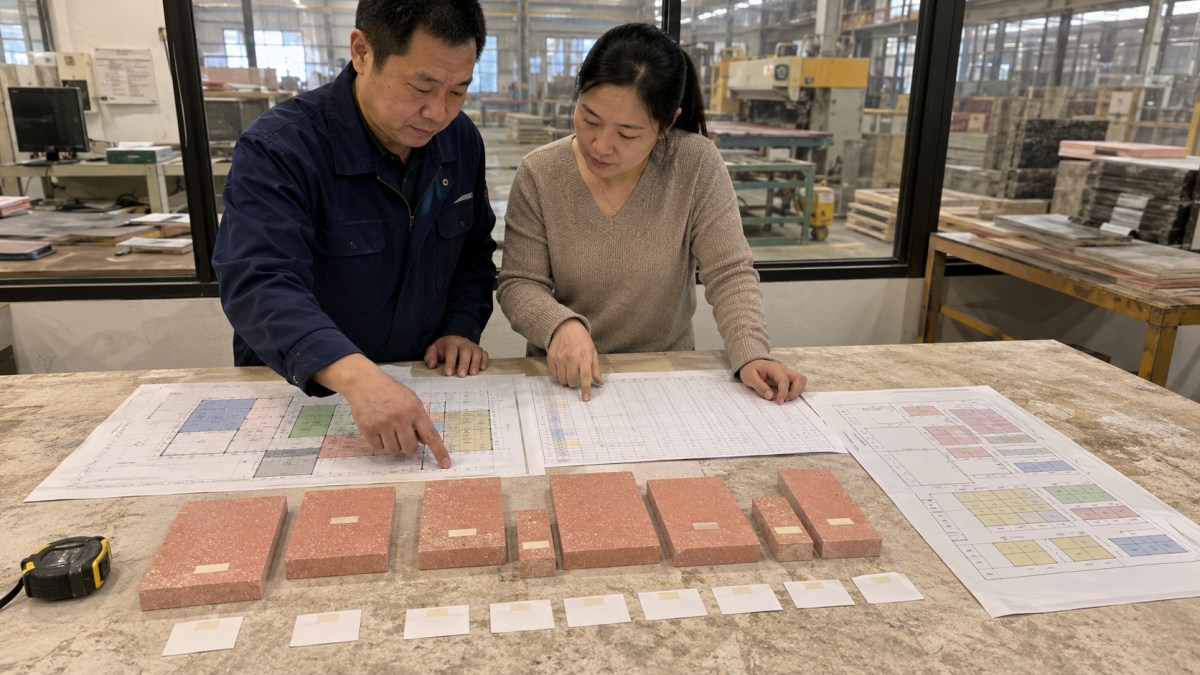
ل بلاط تيرازو مقصوص حسب المقاسإن جدول المقاسات ليس مجرد قائمة طلبات، بل يربط بين نية التصميم والقص والترقيم ومراقبة الجودة والتعبئة.
قبل الإصدار، يجب على فريق المشروع التحقق مما يلي:
·رقم القطعة
·الأبعاد النهائية
·سماكة
·كمية
·ينهي
·معالجة الحواف
·الفتحات والقطع
·توجيه المواد عند الاقتضاء
·تخصيص مساحة أو غرفة
·الرسم المرجعي
·مجموعة التعبئة
·حالة القطعة الاحتياطية
ينبغي التحقق من الأبعاد الواردة في جدول المقاسات مقابل الرسومات المقابلة بدلاً من التعامل معها كمصدر مستقل.
في حال كانت أبعاد الموقع لا تزال مبدئية، يجب تعليق العمل على القطع المتأثرة. ولا ينبغي مطالبة المصنع بتحديد ما إذا كانت أبعاد الرسم أو قياسات الموقع أو قائمة المقاسات أكثر موثوقية.
إذا تمت الموافقة على أحد الجوانب بينما لا يزال جانب آخر قيد القياس، يمكن تقسيم الطلب إلى حزم إنتاج مُحكمة. وهذا أكثر أمانًا من إطلاق المشروع بأكمله بأبعاد غير مُحددة مخفية داخل الطلب.
لا يمنع الحجم الصحيح للقطعة حدوث نقص في المشروع إذا كانت الكمية أو تخصيص المساحة خاطئًا.
يجب أن تؤكد حزمة الإنتاج والإصدار ما يلي:
·إجمالي الكمية المطلوبة
·الكمية حسب الغرفة أو الطابق أو منطقة التركيب
·قطع متكررة
·قطع اليد اليسرى وقطع اليد اليمنى
·أشكال خاصة
·كمية القطع الاحتياطية
·استراتيجية الاستبدال
·طريقة ترقيم القطع
·تسلسل التعبئة
·مرحلة التسليم عند الاقتضاء
لا ينبغي إضافة قطع الغيار كنسبة مئوية غير مبررة.
ينبغي على فريق المشروع مراعاة ما يلي:
·ما هي القطع التي يصعب استبدالها؟
·ما إذا كانت الدفعات المستقبلية قد تختلف بصريًا
·ما إذا كانت القطع ذات الأشكال تتطلب إعدادًا إنتاجيًا إضافيًا
·هل تحتاج قطع الغيار إلى نفس رمز المنطقة؟
·مكان تخزين قطع الغيار
·ما إذا كان تسلسل التثبيت يتطلب تعبئة مرحلية
بالنسبة للمشاريع الكبيرة، ينبغي تحديد رموز المناطق قبل إعداد الملصقات وقوائم التعبئة. قد يؤدي تغيير رموز المناطق بعد الإنتاج إلى حدوث ارتباك يمكن تجنبه حتى لو كان بلاط الترازو نفسه صحيحًا.
الموافقة على الاسم النهائي ليست كافية دائماً.
قد تُفهم مصطلحات مثل "مصقول" أو "مُلمّع" أو "مُفرش" أو "مُحكم" بشكل مختلف ما لم تكن مرتبطة بمرجع مادي معتمد أو متطلبات مكتوبة.
يجب أن تتضمن حزمة الإصدار ما يلي:
·الاسم النهائي
·عينة تشطيب معتمدة
·توقعات لمعان أو ملمس السطح
·تشطيب الحواف
·متطلبات الوجه المرئي
·متطلبات الوجه الخلفي عند الاقتضاء
·التفاوتات البُعدية
·تفاوت السماكة
·تباين بصري مقبول
·إصلاح أو تلبية التوقعات
·طريقة الفحص
·أي حد قبول خاص بالمشروع
لا يهدف هذا إلى ضمان تطابق جميع قطع الترازو بصريًا. يحتوي الترازو على مواد مضافة وقد يظهر تباينًا طبيعيًا أو ناتجًا عن عملية الإنتاج في مناطق مختلفة.
ينبغي على فريق المشروع التمييز بين:
·التباين الطبيعي ضمن خصائص المادة المعتمدة
·تغيير في تركيبة المنتج
·إنهاء غير صحيح
·عيب في التصنيع
·تركيز غير مقبول أو غياب تجمعات معينة
إذا لم تتم مناقشة التباين المتوقع، فقد يقوم المصنع والمشتري بتقييم نفس الإنتاج من خلال افتراضات مختلفة.
ليست كل الموافقة غير مشروطة.
قد يتم وضع علامة على الرسم:
·موافقة
·تمت الموافقة مع التعليقات
·قم بمراجعة الطلب وإعادة تقديمه
·مُعتمد لمنطقة واحدة فقط
·تمت الموافقة باستثناء التفاصيل المذكورة
·الموافقة مشروطة بالتحقق من الموقع
لا ينبغي اعتبار الموافقة المشروطة بمثابة إصدار إنتاج كامل إلا إذا تم إغلاق الشروط المتبقية أو عزلها بشكل واضح.
يجب أن يُظهر سجل الإصدار لكل تعليق على الموافقة ما يلي:
·ما الذي يجب تغييره
·من المسؤول
·ما هي الأجزاء المتأثرة؟
·ما إذا كان التغيير سيؤثر على المواد المنتجة بالفعل
·سواء كان ذلك يتطلب رسمًا أو عينة منقحة أم لا
·ما إذا كانت المشكلة تعيق الإنتاج
·عند إغلاق التعليق
لا ينبغي أن تبقى التعليقات مدفونة في سلاسل رسائل البريد الإلكتروني الطويلة أو تطبيقات المراسلة أو لقطات الشاشة التي قد لا يراها فريق الإنتاج أبدًا.
التعليق غير المحلول يظل بمثابة تعليمات إنتاج غير محلولة.
غالباً ما تتضمن مشاريع الترازو عدة مشاركين:
·المشتري
·مهندس معماري
·مصمم داخلي
·المقاول الرئيسي
·فني تركيب
·مدير المشروع
·مهندس كميات
·مورد أرضيات الترازو
·مصنع تصنيع
·العميل النهائي
قد يقوم عدة أشخاص بمراجعة نفس العينة أو الرسم، لكن هذا لا يعني أن لديهم جميعًا سلطة إصدار الإنتاج.
ينبغي للمشروع أن يميز بين أربعة أدوار:
·إعداد: يقوم بإنشاء العينة أو الرسم أو الجدول الزمني
·تمت المراجعة بواسطة: يقوم بفحص المعلومات الفنية أو معلومات المشروع
·تمت الموافقة من قبل: يقبل مادة أو وثيقة محددة
·صدر عن: يأذن ببدء الإنتاج
قد يبدو هيكل المسؤولية النموذجي على النحو التالي:
عنصر الإصدار | أُعدت بواسطة | تمت المراجعة بواسطة | الموافقة النهائية |
عينة من المواد | مزود | فريق المشتريات والتصميم | مُعتمد المواد المُسمّى |
عينة نهائية | مزود | مصمم ومشتري | مسؤول الموافقة على التشطيبات |
رسومات ورشة العمل | المورد أو مصمم المشروع | فريق المقاولين والتركيب والتصميم | مُعتمد الرسم المُسمى |
جدول المقاسات | المورد أو المشتري | فريق الموقع والمشروع | منسق المشروع |
تسلسل التعبئة | مزود | فريق المشتري والموقع | مشتري أو منسق لوجستي |
إصدار الإنتاج | يقوم المورد والمشتري بتجميع المعلومات | الأطراف المعنية بالمشروع | شخص واحد مخول بالإفراج |
يعتمد الهيكل الدقيق على العقد. المهم هو أن يعرف المصنع من يملك التعليمات الكتابية النهائية.
لا تعني المراجعة المشتركة سلطة إصدار مشتركة.
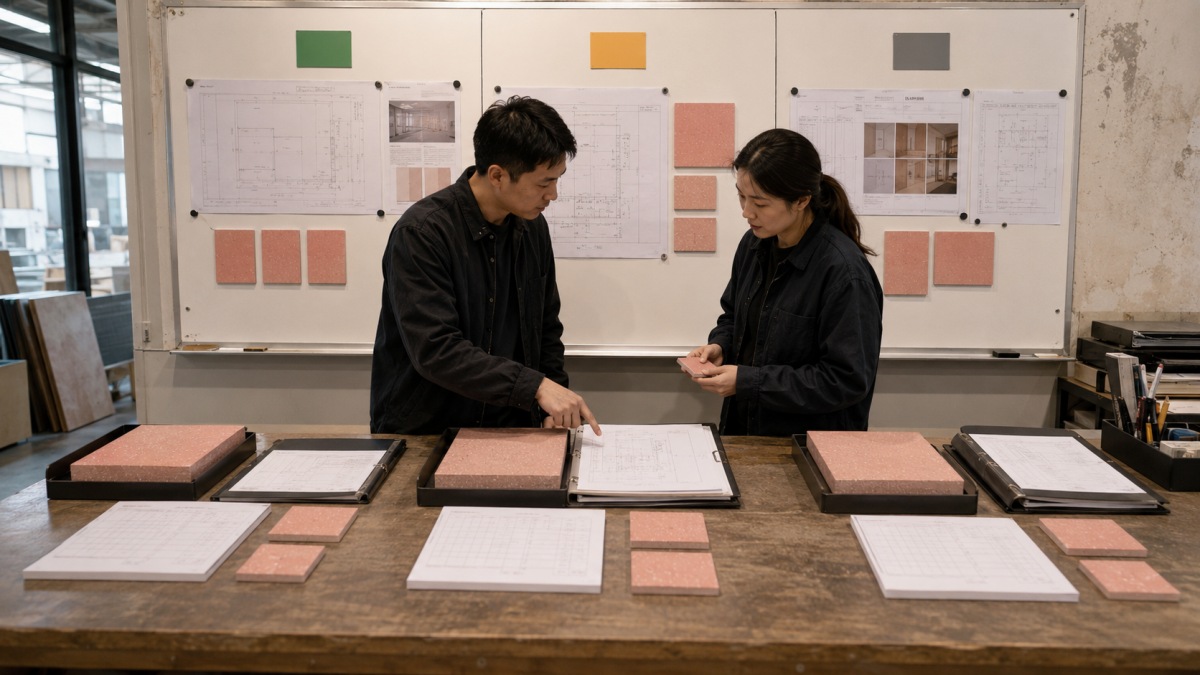
تتمثل إحدى الطرق العملية للتحكم في الإنتاج في تعيين حالة واضحة لكل عنصر من عناصر الإصدار.
تمت الموافقة على المنتج وتسجيله وهو متسق داخلياً وجاهز للإنتاج.
أمثلة:
·المنتج والعينة المرجعية متطابقان
·يتطابق الرسم مع جدول المقاسات
·تم تسجيل النهاية
·تم تأكيد الكمية
·تم تحديد جهة الموافقة
لا يزال هناك توضيح بسيط، ولكن يمكن فصل النطاق المتأثر عن العمل المعتمد.
أمثلة:
·لا يزال ترتيب التعبئة لمنطقة واحدة مفتوحًا
·مجموعة صغيرة من القطع المميزة تنتظر تحديد أبعاد الموقع
·لم يتم الانتهاء من وضع الملصقات الخاصة بمرحلة التسليم اللاحقة
·لا تزال إحدى الغرف قيد مراجعة التصميم
لا تعني كلمة "Amber" "ابدأ كل شيء وحل المشكلة لاحقاً".
وهذا يعني أنه لا يمكن للعناصر غير المتأثرة أن تتابع إلا عندما يمكن عزلها بوضوح عن النطاق غير المحلول.
تؤثر هذه المشكلة على هوية المنتج، وأبعاده، وكميته، وتصنيعه، ومسؤوليته، أو على إجراء إنتاجي لا رجعة فيه.
أمثلة:
·المرجع النموذجي غير واضح
·تم الاعتراض على مراجعة الرسم
·تعارض بين الرسم وقائمة المقاسات
·لم يتم تسجيل خط النهاية
·تعتمد أبعاد الفتحة على معلومات المعدات المفقودة
·لم تتم الموافقة على الكمية النهائية
·لا تزال التعليقات المتعلقة بالموافقة المشروطة دون حل.
·أصدرت جهات الموافقة المختلفة تعليمات متضاربة
لا ينبغي إدخال المنتجات الحمراء في عملية الإنتاج.
عنصر الإصدار | مرجع معتمد | مراجعة أو تاريخ | تمت الموافقة من قبل | حالة | تأثير الإنتاج |
مادة الترازو | رمز العينة أو المنتج | تاريخ | دور مُسمى | أخضر / كهرماني / أحمر | جميع القطع ذات الصلة |
تشطيب السطح | عينة نهائية | تاريخ | دور مُسمى | أخضر / كهرماني / أحمر | معالجة الأسطح |
رسومات ورشة العمل | رقم الرسم | مراجعة | دور مُسمى | أخضر / كهرماني / أحمر | إنتاج حسب المقاس |
جدول المقاسات | مرجع الجدول الزمني | مراجعة | دور مُسمى | أخضر / كهرماني / أحمر | القطع والكمية |
التسامح | متطلبات كتابية | تاريخ | دور مُسمى | أخضر / كهرماني / أحمر | ضبط الجودة |
ترميز المناطق | مخطط المنطقة | مراجعة | دور مُسمى | أخضر / كهرماني / أحمر | الملصقات والتعبئة |
معالجة خاصة | رسم تفصيلي | مراجعة | دور مُسمى | أخضر / كهرماني / أحمر | الأجزاء المتأثرة |
تسلسل التعبئة | خطة التعبئة | مراجعة | دور مُسمى | أخضر / كهرماني / أحمر | التعبئة والتسليم |
الإصدار النهائي | سجل الإنتاج والإصدار | تاريخ | الشخص المخول | أخضر / كهرماني / أحمر | بدء الإنتاج |
لا داعي لأن يكون الجدول معقداً. فهدفه هو إظهار الموافقات المفقودة قبل أن تتحول إلى مشاكل إنتاجية.
يجب إيقاف الإنتاج مؤقتًا عندما:
·لا يمكن تتبع العينة المعتمدة إلى الطلب.
·يختلف رمز المنتج بين المستندات.
·يوجد لدى المصنع أكثر من مراجعة واحدة نشطة للرسومات.
·يُظهر الرسم وجدول المقاسات أبعادًا مختلفة.
·لم يتم تسجيل التشطيب المعتمد في الطلب.
·الكمية أو القطع الاحتياطية تبقى مؤقتة.
·يعتمد القطع على طراز الجهاز غير المؤكد.
·لا تزال تفاصيل المعالجة العكسية أو التعزيزات غير محلولة.
·تمت الموافقة على نموذج أولي بشروط لم يتم إغلاقها.
·لا تتطابق رموز المناطق مع خطة التعبئة.
·لا تزال قياسات الموقع مؤقتة بالنسبة للأجزاء المتضررة.
·الجهة النهائية المخولة بالموافقة غير واضحة.
·يطلب المشتري إجراء تغيير بعد إصدار المنتج دون إصدار وثائق منقحة.
لا يؤدي ضغط الإنتاج إلى تحويل المعلومات غير المكتملة إلى تعليمات.
عادة ما يكون التحكم في تكلفة انتظار توضيح واحد أسهل من التحكم في تكلفة إعادة إنتاج مواد تم إنتاجها من وثائق متضاربة.

قد تحدث تغييرات في المشروع حتى بعد إطلاق المنتج. والأهم هو التعامل معها كتغييرات مُحكمة وليست مجرد توضيحات غير رسمية.
يجب أن يتضمن طلب التغيير ما يلي:
1.ما الذي يتغير؟
2.لماذا يتغير؟
3.ما هي الرسومات والمناطق والأجزاء المتأثرة؟
4.ما تم إنتاجه بالفعل
5.سواء كانت هناك حاجة إلى عينات جديدة أو نماذج أولية
6.هل يجب إلغاء المستندات القديمة؟
7.تأثير التكلفة والمهلة الزمنية
8.من يوافق على المعلومات المعدلة؟
9.عندما يصبح إصدار إنتاج جديد ساري المفعول
إن التغيير المطلوب بعد بدء الإنتاج ليس مجرد تعليق جديد، بل قد يؤثر على المواد الخام المشتراة، وتخطيط الإنتاج، والقص، والتشطيب، والملصقات، والتعبئة، والتسليم.
لا ينبغي للمصنع الاستمرار في استخدام التعليمات القديمة في انتظار تأكيد المشتري على أهمية التغيير.
ينبغي عزل الإنتاج المتأثر، حيثما أمكن، إلى حين الموافقة على النطاق المعدل وتسجيله.
يكون مشروع الترازو جاهزًا للإنتاج عندما يعمل المورد والمشتري من نفس مرجع المنتج، ونفس العينة المعتمدة، ونفس مراجعة الرسم، ونفس جدول المقاسات، ونفس الكمية.
ينبغي على فريق المشروع أيضاً معرفة العناصر التي لا تزال معلقة، ومن يملك الموافقة النهائية، وكيف ستتم إدارة التغييرات اللاحقة.
لا يتطلب هذا موافقة كل مشارك في المشروع على كل تفصيل، بل يتطلب أن يكون لكل قرار مسؤول وأن تكون كل تعليمات الإنتاج قابلة للتتبع.
إنّ الإصدار الإنتاجي الأكثر أماناً ليس هو الإصدار الذي يحمل أكبر عدد من التوقيعات، بل هو الإصدار الذي يترك أقل مجال للتأويلات المتضاربة.
لا. قد تؤكد العينة المظهر والتشطيب، لكن الإنتاج يعتمد أيضًا على مرجع المنتج النهائي، والسمك، والرسومات، والأبعاد، والكميات، وتفاصيل التصنيع، وسلطة الموافقة.
تُؤكد الموافقة على الرسم صحة رسم أو تصميم مُحدد. ويُؤكد إصدار أمر الإنتاج مطابقة الرسم المُعتمد للعينة والطلب وجدول المقاسات والكمية وغيرها من التعليمات المطلوبة من المصنع.
يعتمد الشخص المخوّل على هيكل العقد والمشروع. ينبغي تحديد المسؤولية مسبقاً لكي يعرف المورّد من هو صاحب التعليمات الكتابية النهائية.
لا يُعمل إلا عندما يكون من الممكن فصل نطاق العمل غير المحدد بوضوح عن العمل المعتمد. أما البنود المتأثرة بأبعاد أو مواد أو تشطيبات أو تصنيع أو مسؤولية غير واضحة، فينبغي تعليقها.
لماذا يبدو الحجر الجيري الأحفوري مختلفًا على عمق 20 سم، و1 متر، و5 أمتار؟
وزن ألواح جدران الترازو، ومفاصلها، ومشاكل تركيبها



 IPv6 الشبكة المدعومة