عربي
عربي English
 Español
 Português
 한국어
한국어

مشروع طاولة منحوتة من الحجر الجيري الفرنسي: تصنيع حجري حسب الطلب لتصميم داخلي لردهة تجارية في ملبورن، أستراليا
تختلف طاولة الحجر الجيري المنحوتة اختلافاً كبيراً عن لوح الحجر العادي أو سطح العمل البسيط. فهي تتطلب فهماً للمواد، ودقة في القطع، وتشكيل الحواف، وفحصاً دقيقاً قبل التركيب، وتواصلاً فعالاً بين الرسم الهندسي وفريق العمل في المصنع.
يوثق هذا المشروع طاولةً فرنسيةً مصنوعةً خصيصاً من الحجر الجيري، مصممةً لردهةٍ تجاريةٍ. تُظهر الصور المتوفرة للمشروع سطح طاولةٍ ذي شكلٍ مميز، وحافةً أماميةً مستديرة، وجوانبَ منحنية، ودرزاتٍ ظاهرةٍ بين الألواح، وعناصرَ دعمٍ مُشكّلة، وتقنيةَ القطع باستخدام الحاسوب (CNC)، والتجميعَ الجافّ في المصنع. بدلاً من التعامل مع الحجر كسطحٍ زخرفيٍّ فحسب، يحوّل هذا المشروع الحجر الجيري إلى قطعة أثاثٍ معمارية.
للمشترين الذين يراجعون المشروع تطبيقات مشاريع الحجر الجيري،تُعد هذه الحالة مفيدة لأنها تُظهر كلاً من التأثير الداخلي النهائي وعملية الإنتاج التي تقف وراء القطعة الحجرية.
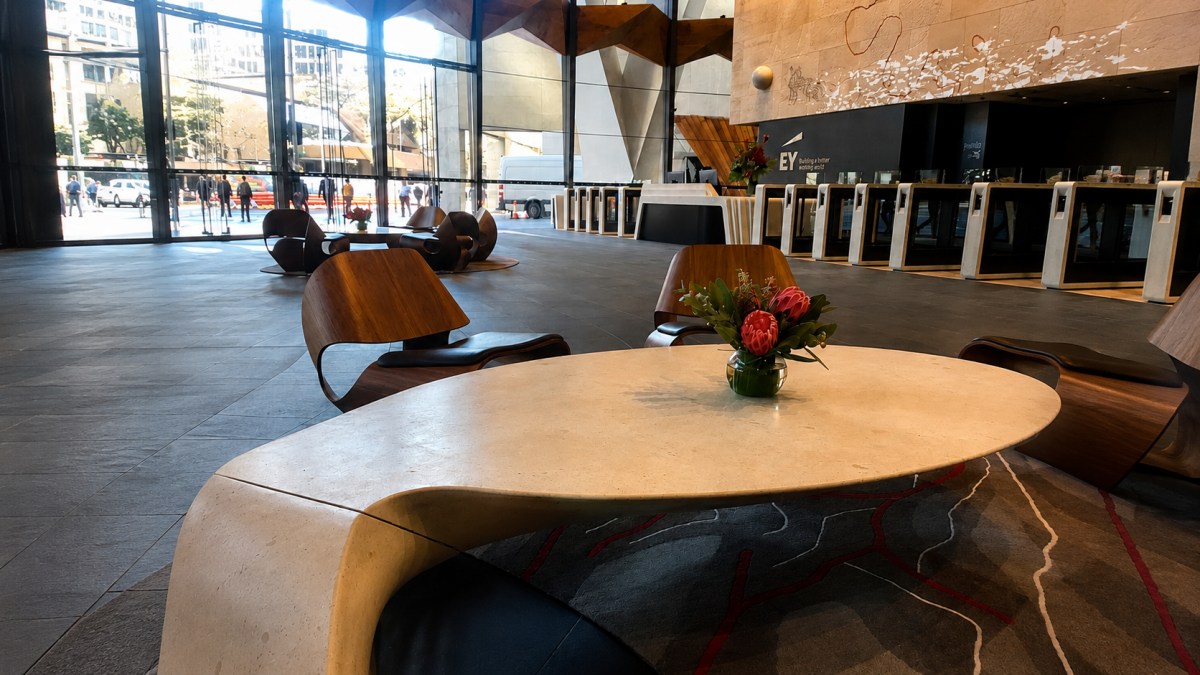
طاولة حجرية مصممة حول الشكل، وليس السطح فقط
أول ما يلفت الانتباه هو شكل الطاولة. فهي تتميز بخطوطها المنحوتة الناعمة، وحافتها الأمامية المستديرة، وجوانبها المائلة، وهيكلها الداعم المصمم بدقة. هذه التفاصيل تجعلها أقرب إلى الأثاث المعماري منها إلى سطح طاولة حجري عادي.
يجب أن يوازن تصميم طاولة من الحجر الجيري مخصصة للاستخدام في ردهات الفنادق والمطاعم بين عنصرين أساسيين: الهدوء البصري والحضور المادي. ينبغي أن تكون متينة بما يكفي لتكون قطعة أثاث حقيقية، وفي الوقت نفسه أنيقة بما يكفي لتندمج بسلاسة في منطقة الاستقبال، أو ردهة الفندق، أو النادي، أو أي مساحة داخلية راقية.
تُشير صور المشروع إلى أن الطاولة لم تُصنع من كتلة حجرية واحدة بسيطة. تُظهر الفواصل الظاهرة والأجزاء المُشكّلة وصور التركيب الجاف أن الشكل الهندسي قُسّم إلى مكونات قابلة للتشكيل لتسهيل القطع والتعامل والفحص والتجميع لاحقًا. في مشروع حجري ذي شكل خاص، لا يُعدّ تخطيط الفواصل مسألة بصرية فحسب، بل هو جزء لا يتجزأ من منطق التصنيع.
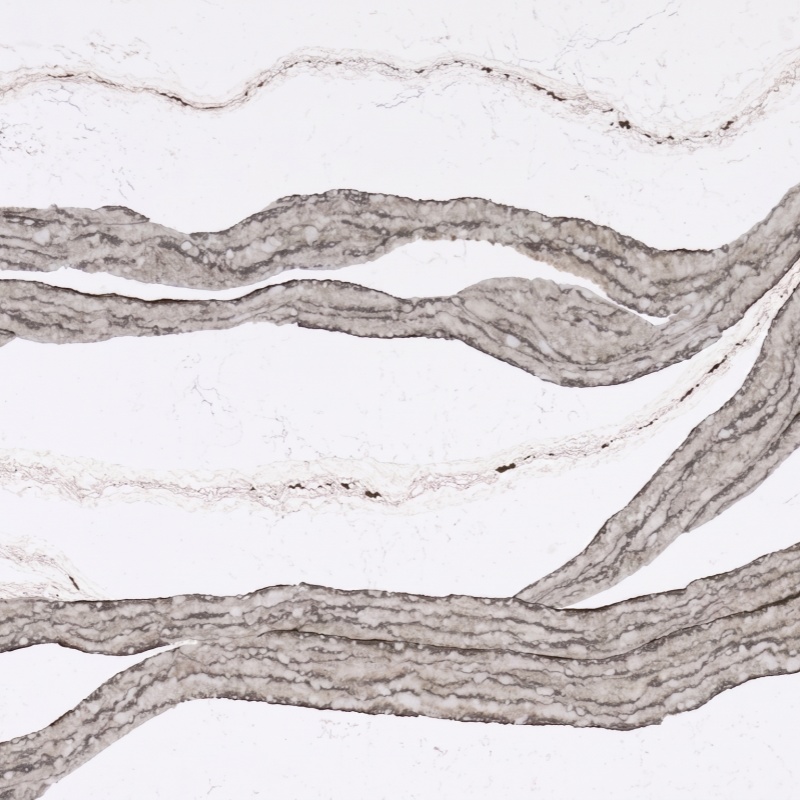
يتميز الحجر الجيري الفرنسي بطابع أكثر هدوءًا من الرخام ذي العروق الكثيرة. سطحه عادةً ما يكون بلون بيج فاتح دافئ إلى أبيض كريمي، مع مسام دقيقة، وعلامات تشبه الأحافير، وآثار معدنية رمادية باهتة، وحركة رواسب بنية فاتحة، وتفاوت ناعم منخفض التباين.
لهذا السبب، يُعدّ أثاث الحجر الجيري الفرنسي خيارًا مثاليًا للديكورات الداخلية التي يرغب فيها المصممون في إضفاء الدفء دون إحداث ضوضاء بصرية. لا يحتاج هذا الحجر إلى عروق بارزة ليُضفي إحساسًا بالفخامة، بل يكمن جماله في سطحه الطبيعي غير اللامع، وتفاصيله الأحفورية الدقيقة، وطابعه المعماري الهادئ.
للمشترين الذين يقارنون تصنيع الأحجار الطبيعية حسب الطلبهذا الاختلاف مهم. لا ينبغي عرض الحجر الجيري كما يُعرض الرخام أو الكوارتز أو بلاط السيراميك أو الحجر الصناعي. فله لغته المادية الخاصة: فهو أكثر نعومة، وأقل بروزاً، وأكثر مسامية، وأكثر هدوءاً.
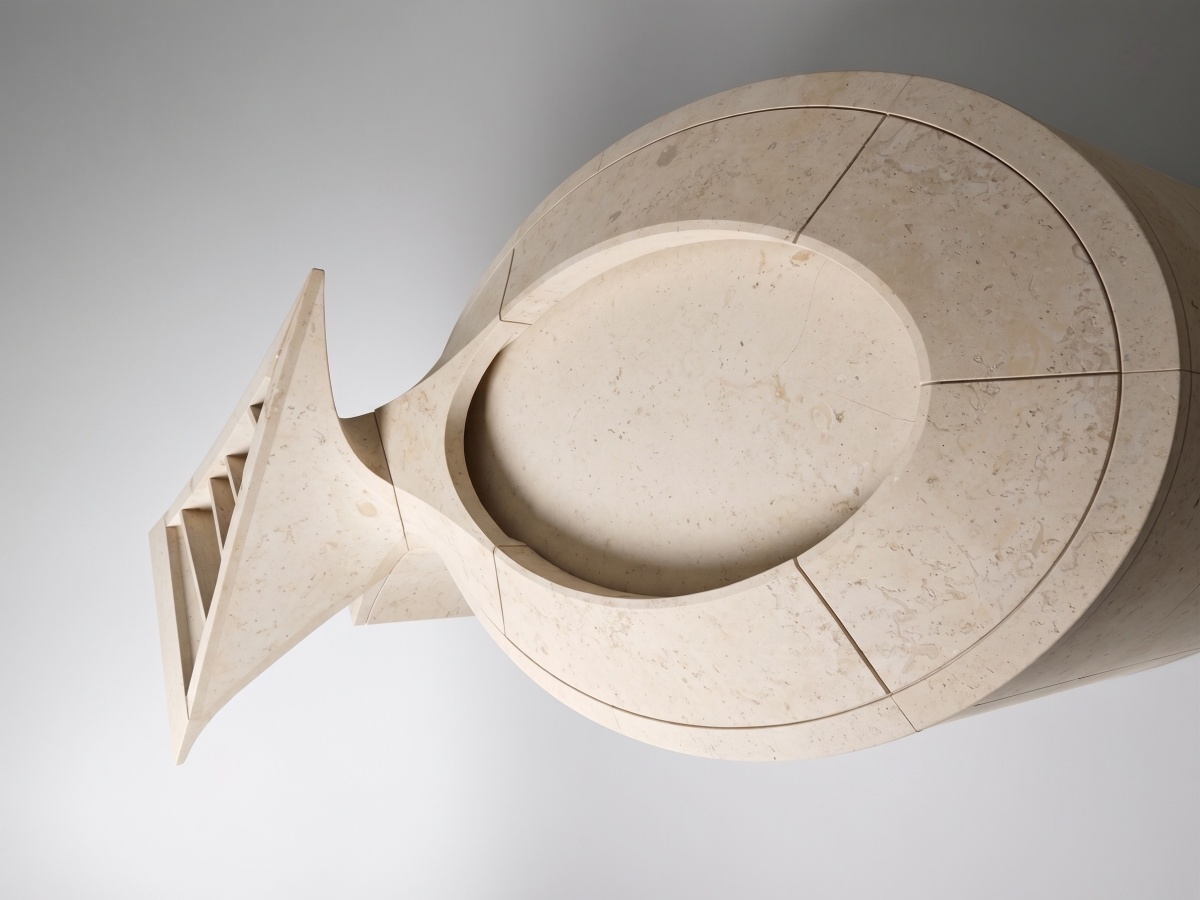
التشطيب الأمثل لهذه الطاولة هو تشطيب غير لامع أو مصقول قليلاً. فالتلميع اللامع القوي لا يتناسب مع طبيعة المادة، إذ قد يُخفي ملمسها الجاف والطبيعي، ويجعل الحجر الجيري يبدو مصطنعاً. في هذا المشروع، النتيجة الأنسب هي سطح حجر جيري مصقول ولكنه في الوقت نفسه طبيعي.
يتطلب صنع طاولة ذات شكل خاص عملية تصنيع مختلفة عن توريد الأحجار المقطوعة حسب المقاس المعتاد. يجب على المصنع فهم كيفية ترابط شكل سطح الطاولة، وحافتها المنحنية، وهيكلها الداعم، والوصلات، وسطحها السفلي.
تُظهر صور الإنتاج سير عمل المصنع العملي. تُوضع قطع الحجر على وسادات إسفنجية وكتل داعمة. تُفحص بعض الأجزاء وهي في حالة تركيب جاف. تبقى العلامات والدرزات والوصلات والأدوات والغبار وعناصر ورشة العمل ظاهرة. هذه التفاصيل ليست مجرد عناصر تشتيت في مقال المشروع، بل هي دليل على عملية تصنيع حقيقية.
بالنسبة للطاولات ذات الحواف المنحنية والفتحات ذات الأشكال الهندسية المختلفة، يساعد فحص التركيب الجاف في الإجابة على العديد من الأسئلة العملية:
·هل تتبع الأجزاء المخطط المقصود؟
·هل خطوط الوصل في الوضع الصحيح؟
·هل يتطابق هيكل الدعم مع هندسة سطح الطاولة؟
·هل الحواف المستديرة والزوايا الجانبية متناسقة؟
· هل يمكن التعامل مع القطع وتعبئتها وتركيبها دون تغيير التصميم؟
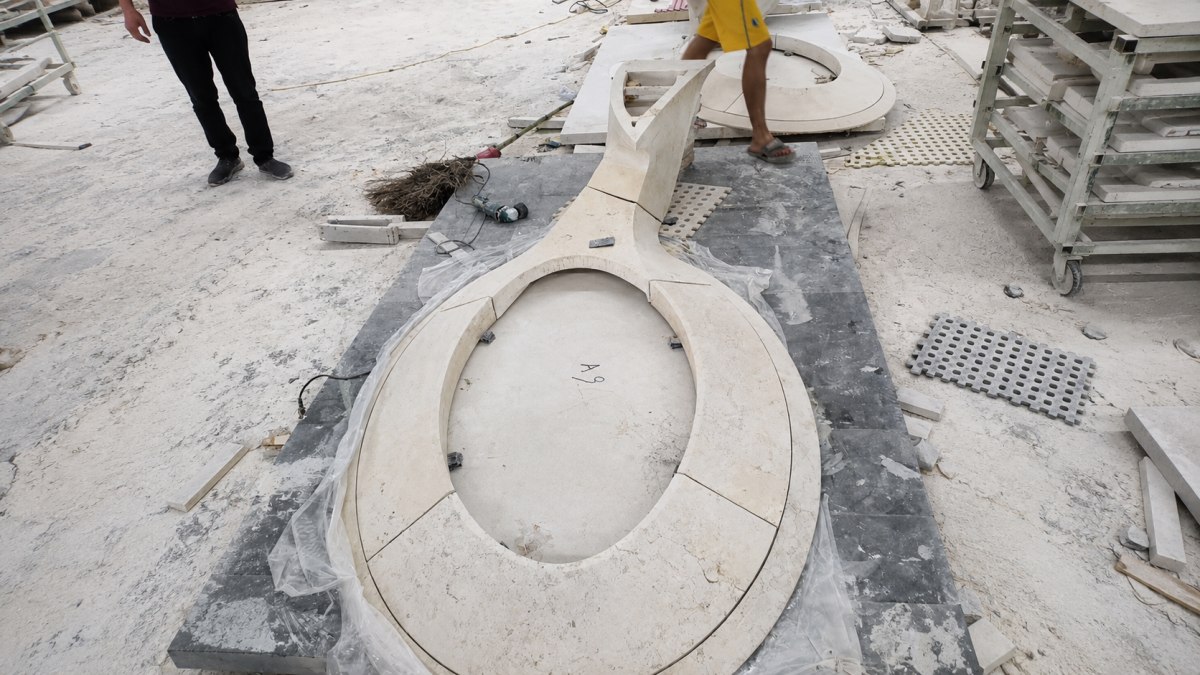
هذا هو المكان قدرة شركة أولي ستون التصنيعية يصبح هذا الأمر بالغ الأهمية. ففي هذا النوع من المشاريع، لا تكمن القيمة في توفير الحجر الجيري فحسب، بل في تحويل تصميم أثاث غير نمطي إلى قطع قابلة للقص والتشكيل والفحص والتعبئة والتسليم.
تُظهر الصور المتاحة أيضًا معالجة مكونات الحجر الجيري آليًا. تُعدّ عملية نحت الحجر الجيري باستخدام الحاسوب (CNC) مفيدةً عندما يتضمن المشروع مقاطع منحنية، أو فتحات مُشكّلة، أو أشكال دعم خاصة، أو أشكال هندسية متكررة تتطلب تحكمًا أفضل من القطع اليدوي الحرّ وحده.
لا يغني استخدام آلات CNC عن الحرفية، بل يدعم المرحلة الأولى من الدقة. بعد القطع، لا يزال المصنع بحاجة إلى مراجعة جودة الحواف، وحالة السطح، ومحاذاة اللحامات، وعلامات التصنيع. بالنسبة للحجر الجيري الطبيعي، يجب التعامل مع هذه المرحلة بعناية فائقة، لأن المادة تحتوي على مسامات، وتفاصيل أحفورية، وتنوعات معدنية دقيقة لا ينبغي إزالتها بالإفراط في المعالجة.
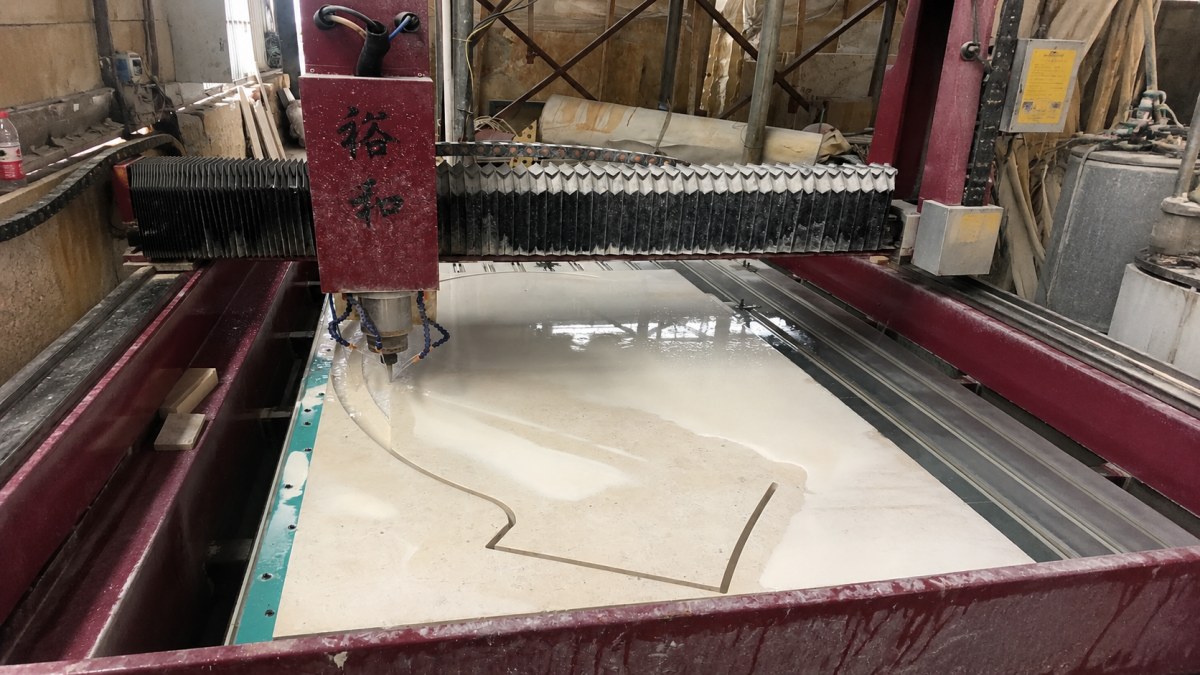
ليس الهدف جعل الحجر يبدو صناعياً تماماً، بل الهدف هو جعل كل قطعة مصنّعة دقيقة بما يكفي للتجميع مع الحفاظ على مظهر الحجر الجيري الطبيعي.
إن التحدي الأهم في هذا المشروع ليس مجرد صنع طاولة، بل هو التحكم في شكل نحتي دون أن تبدو المادة مزيفة.
هذا مثال جيد على تصنيع الحجر الجيري ذي الأشكال الخاصة للاستخدامات الداخلية في قطاع الضيافة. تتضمن الطاولة سطحًا منحنيًا، وحوافًا مستديرة، ووصلات بين الألواح، وهيكلًا داعمًا، وتفاصيل تصنيع واضحة. تؤثر كل هذه التفاصيل على المظهر النهائي وسهولة التركيب.
إذا بالغ المصنع في تنعيم الحجر، فقد تفقد الطاولة ملمسها الطبيعي الذي يشبه الحجر الجيري. وإذا غيّر المصنع شكل الحافة، فسيختلف التصميم الأصلي. وإذا تم تجاهل الفواصل، فقد يصبح التغليف والتركيب صعبين. وإذا تم تعديل السطح بشكل مفرط في الصور، فقد يبدو المنتج أقرب إلى تصميم مُولّد بالحاسوب منه إلى عمل حجري حقيقي.
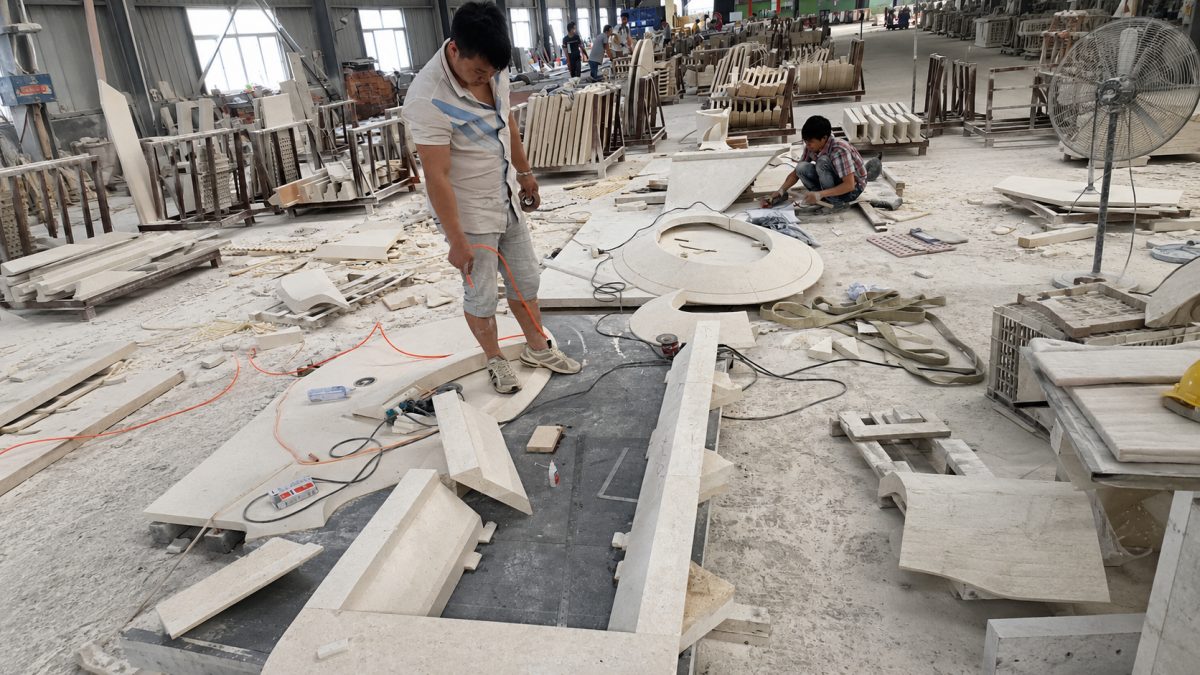
الحل الأفضل هو الحفاظ على منطق الإنتاج الحقيقي: إبقاء وصلات المكونات مرئية حيثما وجدت، والحفاظ على المسام الطبيعية والعلامات الشبيهة بالأحافير، وإظهار عملية التركيب الجاف، وعرض التطبيق النهائي بإضاءة واقعية.
بالنسبة للأثاث الحجري ذي الأشكال الخاصة، تُشكّل التفاصيل الصغيرة جزءًا كبيرًا من قيمة المشروع. يجب أن تبدو الحافة الأمامية المستديرة ناعمة ومتناسقة. ينبغي أن يتبع المظهر الجانبي التصميم بدلًا من أن يكون خط قطع عشوائيًا. يجب أن تدعم الوصلات الظاهرة منطق البناء، لا أن تبدو موضوعة بشكل عشوائي.
لهذا السبب، يجب أن يشمل توثيق المشروع مراجعة الحواف والوصلات. لا يستطيع المشتري الحكم على هذا النوع من العمل من خلال صورة بعيدة للغرفة فقط. تساعد الصور المقربة في إظهار ما إذا كانت الطاولة تحافظ على سمكها، وشكل حوافها، وملمس مادتها، ومنطق تجميعها.
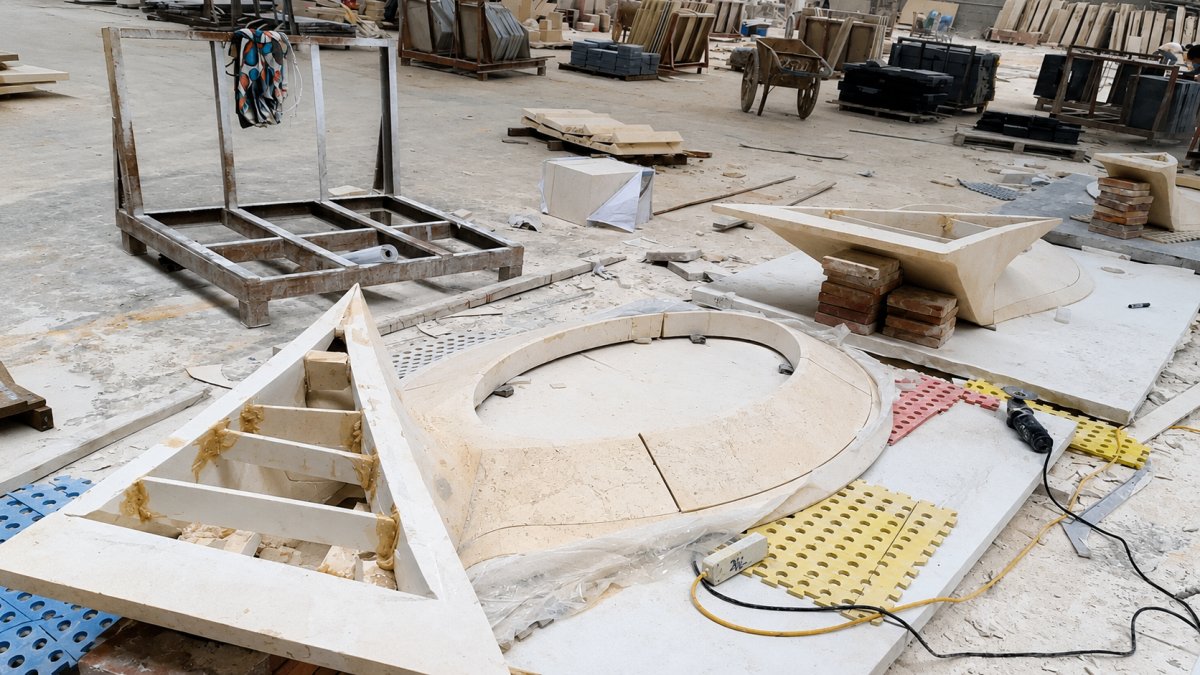
ينبغي أن يبقى سطح الحجر الجيري طبيعياً: بلون بيج كريمي دافئ، ذي مسام دقيقة، مع وجود بعض الأحافير، وتباين منخفض، وملمس جاف غير لامع. لا ينبغي إضافة عروق جديدة، لأن المظهر اللامع الرطب سيضعف مصداقية المادة.
ما يمكن أن يتعلمه مشتري المشاريع من هذه الحالة
بالنسبة للمهندسين المعماريين والمصممين والمقاولين، تقدم هذه الحالة درساً عملياً: يجب مراجعة الأثاث الحجري ذي الأشكال الخاصة في وقت مبكر، وليس بعد أن يتم تثبيت التصميم بالفعل.
قبل بدء الإنتاج، يجب على فريق المشروع التأكد مما يلي:
·نوع المادة واتجاه التشطيب؛
·مخطط سطح الطاولة وهيكل الدعم؛
·السماكة وشكل الحافة؛
·تخطيط الدرزات وتقسيمات الألواح؛
·جدوى القطع باستخدام الحاسوب (CNC)؛
·طريقة فحص وضع الطبقة الجافة؛
·منطق التعبئة والتغليف والمناولة؛
·المسؤولية النهائية عن التركيب.
بالنسبة للمشتري الذي يبحث عن مصنع أثاث من الأحجار الطبيعية حسب الطلب، فإن السؤال الأهم ليس فقط "هل يمكنك توفير الحجر؟" بل هو أيضاً "هل يمكنك فهم الرسم، وتقسيم الهيكل بشكل صحيح، ومعالجة الشكل الخاص، والتحقق من نتيجة التركيب الجاف، وإبلاغ المخاطر قبل الإنتاج؟"
هذا هو المكان نظام دعم المشاريع الخاص بشركة أولي ستون هذا الأمر ذو صلة. تتطلب طاولة من الحجر الجيري ذات شكل خاص مشاركة المورد من مراجعة الرسومات إلى تخطيط التصنيع، وليس فقط عرض أسعار المواد.
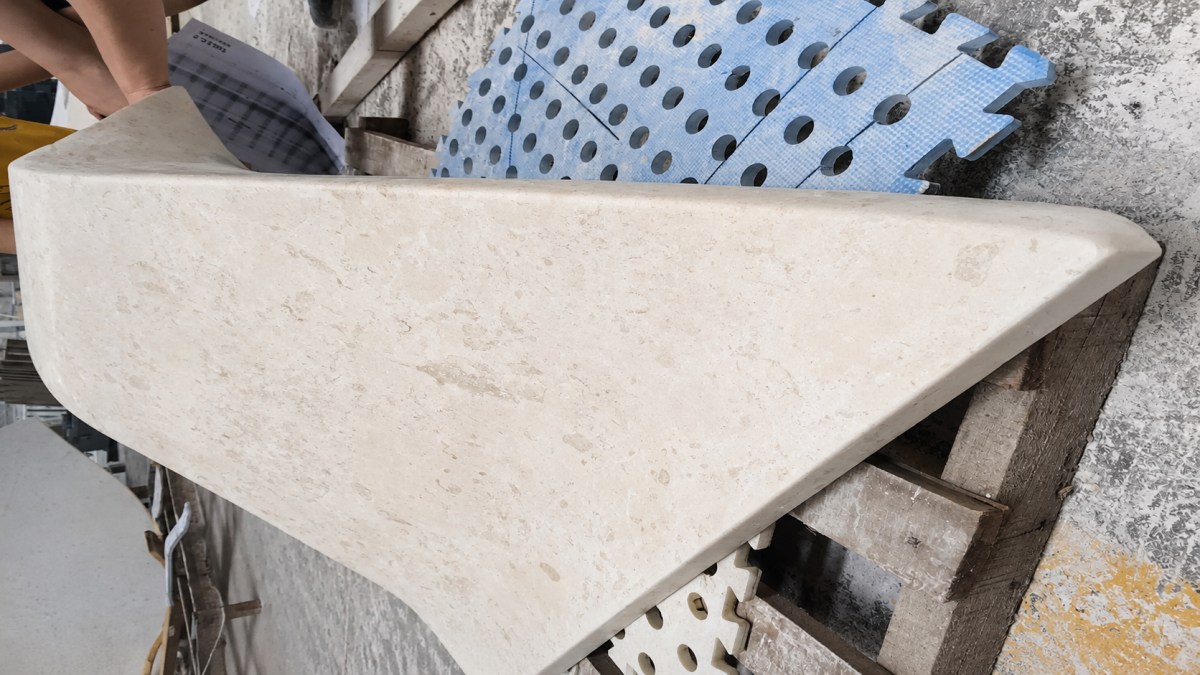
يُظهر مشروع طاولة الحجر الجيري الفرنسي المصممة حسب الطلب كيف يُمكن استخدام الحجر الجيري الطبيعي كعنصر معماري في الأثاث ضمن المساحات التجارية. لا تكمن قيمة المشروع في الطاولة النهائية فحسب، بل في العملية التي سبقتها: اختيار المواد، والقطع باستخدام الحاسوب، وتشكيل الحواف، ومراقبة الوصلات، والتجميع الأولي، وتوثيق المشروع بشكل واقعي.
تُظهر هذه الحالة أيضاً لماذا يجب التعامل مع الحجر الجيري بصدق. فهو ليس رخاماً، ولا كوارتزاً، ولا بلاطاً سيراميكياً، ولا تيرازو، ولا حجراً صناعياً. تكمن قوته في سطحه الدافئ غير اللامع، وآثاره الأحفورية الدقيقة، ومساماته الصغيرة، وآثار المعادن الناعمة، وإحساسه المعماري الهادئ.
إذا كان مشروعك يتضمن طاولة من الحجر الجيري مصممة خصيصًا، أو أثاثًا حجريًا منحنيًا، أو طاولة استقبال منحوتة، أو عنصرًا حجريًا غير قياسي، فيمكن لشركة Aoli Stone مراجعة الرسومات، ومناقشة جدوى المواد، وإعداد العينات، ودعم تخطيط التصنيع قبل بدء الإنتاج.
ل مناقشة رسومات أثاث الحجر الجيري المصممة حسب الطلب، تواصل مع شركة Aoli Stone لتزويدهم برسومات مشروعك، وتوجيهات المواد، ومتطلبات الحجم، وتفضيلات التشطيب، والتطبيق المستهدف.
مشروع طاولة منحوتة من الحجر الجيري الفرنسي، مصمم خصيصًا، يُظهر كيف تدعم شركة "أولي ستون" تصنيع أثاث حجري بأشكال مميزة لردهات الاستقبال التجارية. يوثق المشروع ملمس الحجر الجيري البيج الدافئ، والمكونات المنحوتة بتقنية CNC، والحواف المنحنية، والوصلات الظاهرة، وهندسة الدعم المصممة، والتجميع الجاف، والتطبيق النهائي. يُعد هذا المشروع مثالًا مفيدًا للمهندسين المعماريين والمصممين ومشتري المشاريع الذين يُقيّمون دعم مصنعي الأثاث الحجري الطبيعي المصمم خصيصًا لمشاريع الضيافة والتصميم الداخلي التجاري.



 IPv6 الشبكة المدعومة