عربي
عربي English
 Español
 Português
 한국어
한국어

في العديد من مشاريع الأحجار، تُعدّ طريقة الطلب بنفس أهمية المادة نفسها. قد يختار المشتري الرخام المناسب، أو حجر الكوارتز، أو الرخام الصناعي، أو الترازو، أو الجرانيت، أو الحجر الجيري، أو الحجر المُلبّد، ولكنه قد يواجه مشاكل لاحقًا إذا طُلب الحجر بصيغة خاطئة. فالألواح الكاملة والقطع المقطوعة حسب المقاس تنتمي إلى مسارين مختلفين في المشروع، ويؤثران على مسؤولية التصنيع، والنفايات، والتعبئة، وسرعة التركيب، وتخطيط الاستبدال، ومخاطر المشروع النهائية.
غالبًا ما يُتخذ القرار باستخفاف. يطلب بعض المشترين أسعار الألواح لأنها تبدو أسهل للمقارنة. بينما يطلب آخرون أحجارًا مقطوعة حسب المقاس قبل اكتمال الرسومات. كلا الحالتين قد تُؤديان إلى تكاليف خفية. قد يبدو طلب الألواح أرخص في مرحلة المصنع، ولكنه لا يزال يتطلب تقطيعًا محليًا، وعمالة ماهرة، ومساحة تخزين، وإدارة النفايات. أما طلب الأحجار المقطوعة حسب المقاس فقد يبدو أكثر اكتمالًا، ولكنه يعتمد بشكل كبير على دقة الرسومات، وقوائم المقاسات، وتفاصيل الحواف، والفتحات، وتعليمات التعبئة.

تُستخدم الألواح والقطع المقطوعة حسب المقاس لحل مشاكل مختلفة
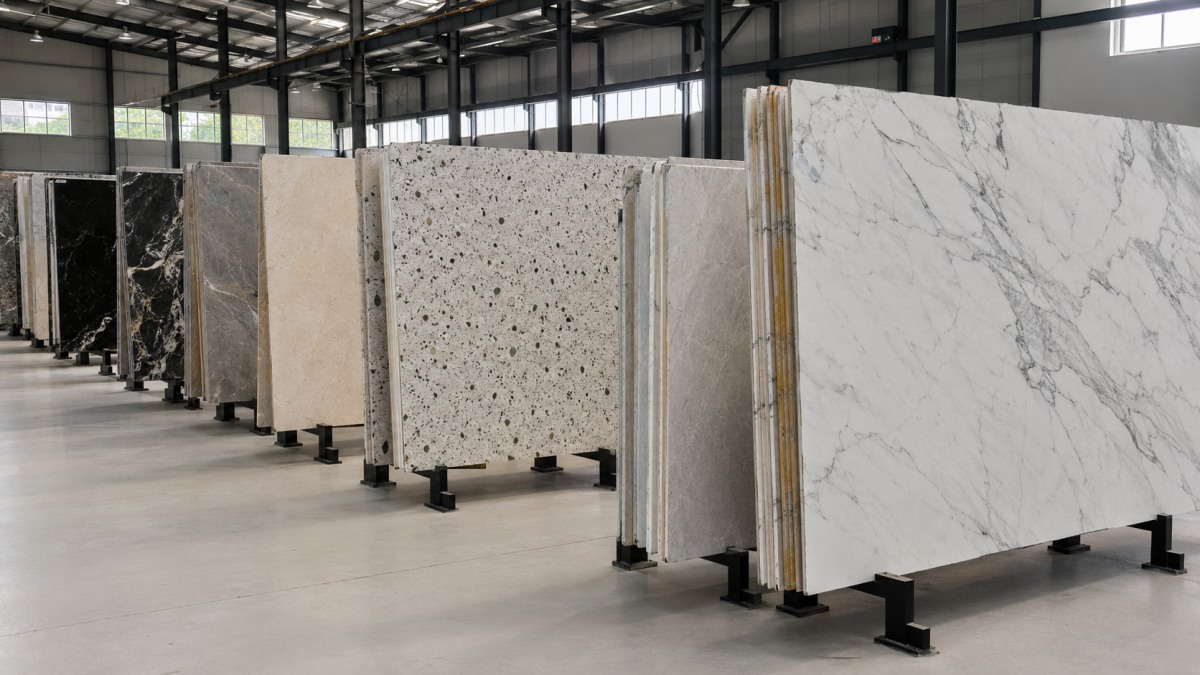
طلب الألواح يعني أن المشتري يتسلم الحجر على شكل ألواح كبيرة. أما القطع النهائي، وتشكيل الحواف، وفتح الفتحات، والتشذيب، وتعديل التصميم، والتحضير للتركيب، فيتم التعامل معها بشكل رئيسي من قبل المصنّع أو المقاول المحلي التابع للمشتري.
يعني طلب الأحجار المقطوعة حسب المقاس أن المورد يقوم بإعداد قطع خاصة بالمشروع قبل الشحن وفقًا للرسومات والأبعاد والتشطيبات وتفاصيل الحواف والفتحات والترقيم ومنطق التعبئة والتغليف المؤكدة.
هذا هو أبسط فرق:
توفر الألواح مرونة بعد الوصول.
تتيح القطع المقطوعة حسب المقاس إمكانية التحكم قبل الشحن.
ينبغي أن يكون هذا الاختلاف الوحيد هو الذي يوجه قرار الشراء بأكمله.
يُوفر طلب الألواح الجاهزة للمشتري المواد اللازمة، بينما يُوفر طلب القطع حسب المقاس حزمة مشروع أكثر شمولاً. لا يُعد أي من الطريقتين أفضل بالضرورة، بل الأفضل هو الذي يتناسب مع المرحلة الفعلية للمشروع، وقدرات التصنيع المحلية لدى المشتري، ومستوى المخاطرة الذي يتحمله المشروع.
للمشترين الدوليين الذين يحتاجون إلى تنسيق مع المصنع، لوازم المشاريع المقطوعة حسب المقاس ينبغي التعامل معها كجزء من مراقبة الإنتاج، وليس مجرد خدمة تقطيع.
متى يكون طلب الألواح أكثر منطقية
1. الرسومات ليست نهائية بعد
إذا كانت مخططات الأرضيات، وارتفاعات الجدران، وتفاصيل وحدات الحمام، وتصميمات أسطح العمل، وأبعاد السلالم، أو كميات المواد في كل غرفة لا تزال قيد التغيير، فقد تكون الألواح الجاهزة أكثر أمانًا من القطع المصنّعة حسب المقاس. فبمجرد أن يقوم المورّد بتقطيع المواد وفقًا للرسم، فإن أي تعديل لاحق قد يؤدي إلى هدر المواد، وتكاليف إعادة التصنيع، وضغط على الجدول الزمني.
هذا شائع في المراحل الأولى من مشاريع التصميم الداخلي للفنادق والفلل والشقق والمشاريع التجارية. قد تتم الموافقة على التوجه التصميمي، لكن الأبعاد النهائية غير محددة. في هذه المرحلة، تتيح الألواح للمشتري تأمين المواد أولاً واتخاذ قرارات القطع لاحقاً.
بالنسبة للأحجار الطبيعية، قد يكون هذا مفيدًا للغاية. قد يرغب المشتري في حجز كتلة أو دفعة أو نطاق لوني قبل الانتهاء من جميع تفاصيل المشروع. في هذه الحالة، يكون الطلب ألواح الرخام الطبيعي يمكن الحفاظ على مرونة اختيار المواد بينما يواصل فريق التصميم العمل على الرسومات النهائية.
2. يمتلك المشتري فريق تصنيع محلي كفؤ
تُعدّ الألواح خيارًا مثاليًا عندما يتوفر لدى المشتري ورشة محلية موثوقة قادرة على القياس والقطع وصقل الحواف وحفر فتحات الأحواض والتعامل مع القطع الكبيرة وحماية الأسطح النهائية وتنسيق عملية التركيب. لهذا السبب، يُفضّل العديد من الموزعين ومصنّعي أسطح المطابخ وشركات الأحجار المحلية الألواح.
على سبيل المثال، قد يُفضّل مُصنّع أسطح المطابخ ألواح الكوارتز لأن القياس النهائي للموقع غالبًا ما يتم محليًا. وقد يُفضّل الموزّع ألواح الرخام لأن العملاء يرغبون في رؤية الألواح واختيارها بأنفسهم. وقد يُفضّل المقاول الألواح عندما تكون ظروف الموقع غير مؤكدة ويجب إجراء التعديل النهائي قرب مرحلة التركيب.
السؤال الأساسي ليس ما إذا كانت الألواح أرخص، بل ما إذا كان بإمكان فريق المشتري المحلي تحويل الألواح إلى قطع مشروع نهائية بشكل صحيح.
يُحمّل طلب الألواح المصبوبة المشتري مسؤولية أكبر، وهو ما قد يُعدّ ميزةً إذا كان المشتري يمتلك الكفاءات المناسبة، ولكنه يُصبح خطراً إذا كانت إمكانيات التصنيع المحلية ضعيفة.
3. يحتاج المشتري إلى مخزون، وليس إلى حزمة مشروع ثابتة واحدة
يحتاج موزعو الأحجار ومشغلو المستودعات عادةً إلى مخزون من المواد. وقد لا يعرفون ما إذا كانت قطعة الحجر ستُستخدم لاحقًا في صناعة سطح مطبخ، أو جدار، أو درج، أو خزانة حمام، أو سطح طاولة، أو قطعة غيار. في هذا النموذج التجاري، تُعدّ قطع الحجر أكثر عملية لأنها تُبقي المادة متاحة للاستخدام المستقبلي.
يختلف هذا عن مقاول فندق يطلب مواد بناء لـ 120 حمامًا أو مطور عقاري يطلب ألواحًا جدارية لردهة واحدة. هؤلاء المشترون لا يشترون مخزونًا، بل يشترون نتيجة مشروع.
الألواح تناسب الأعمال المرنة. أما القطع المقطوعة حسب المقاس فتناسب التنفيذ الثابت.
4. يتطلب التباين الطبيعي تقديرًا محليًا
يتميز بعض الرخام الطبيعي بعروق بارزة، وتفاوت في اللون، وإمكانية تطابق الألوان. قد يفضل المشترون استلام ألواح الرخام وترتيب التصميم النهائي محليًا، لأن القرار يعتمد جزئيًا على المظهر. أي منطقة يجب أن تضم العروق الأبرز؟ أي لوح يُفضل استخدامه للجدار المميز؟ أي القطع يجب تجنبها في الحمامات الصغيرة؟ يمكن تسهيل هذه القرارات عندما يقوم المصمم المحلي والعميل والشركة المصنعة بمراجعة الألواح معًا.
لكن هذا لا ينجح إلا إذا كان لدى المشتري المساحة والمهارة والانضباط اللازمين لإدارة تخطيط الألواح بشكل صحيح. فبدون تحكم جيد، قد يؤدي التباين الطبيعي إلى قطع غير متطابقة، وضعف في تدفق العروق، وهدر غير ضروري.
الحجر الطبيعي يكافئ التخطيط، ويعاقب على القطع العشوائي.
متى يكون طلب الأحجار المقطوعة حسب المقاس أكثر منطقية
1. الرسومات واضحة بالفعل
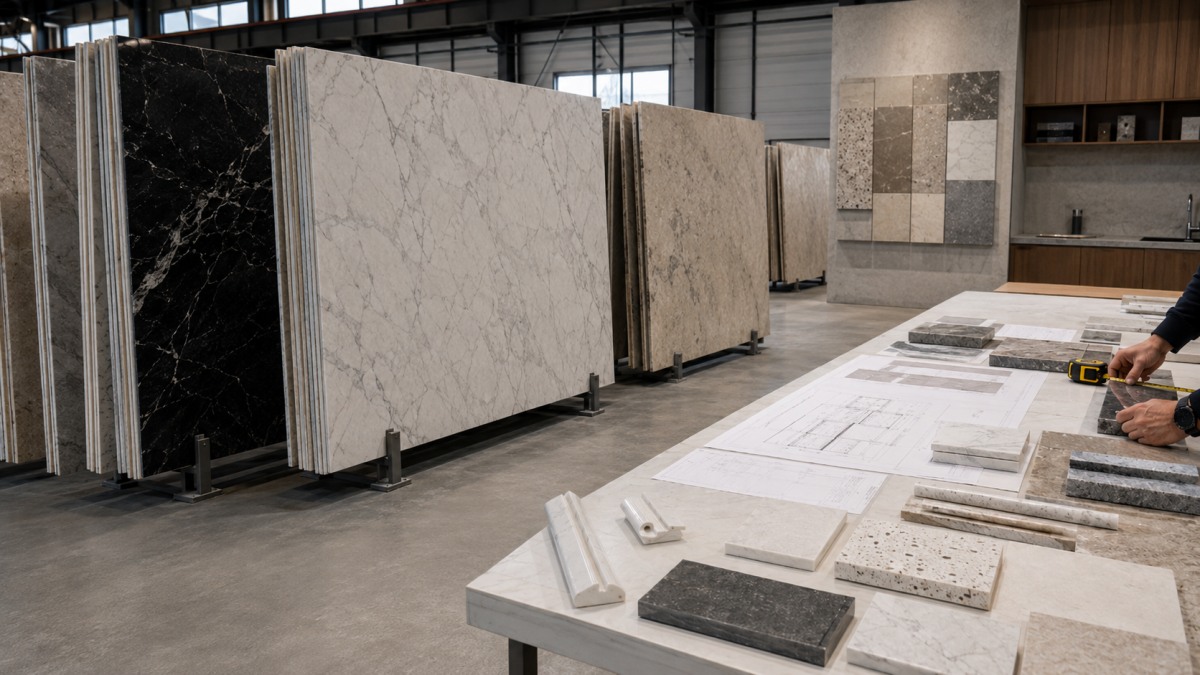
يُعدّ التوريد حسب المقاس الأمثل عندما يُقدّم المشتري رسومات مُعتمدة، وقوائم المقاسات، ومتطلبات التشطيب، والسماكة، وتفاصيل الحواف، والفتحات، وتعليمات التعبئة. في هذه الحالة، يُمكن للمُورّد تجهيز القطع لمشروع مُحدّد بدلاً من إرسال مواد للاستخدام العام.
يُعدّ هذا مفيدًا لحمامات الفنادق، وألواح الجدران التجارية، ومطابخ الشقق، وعدادات البيع بالتجزئة، ودرجات السلالم، ومحيط المصاعد، وأرضيات الممرات، ومناطق الاستقبال. وكلما زاد تكرار القطع، زادت قيمة تجهيز المصنع.
لا يُغني القطع في المصنع عن الحاجة إلى التركيب الاحترافي، ولكنه يُخفف الضغط على عملية القطع في الموقع ويجعل مرحلة التركيب أكثر تنظيماً.
2. يحتوي المشروع على غرف أو مناطق متكررة
تستفيد حمامات الفنادق، والشقق السكنية، وأسطح المغاسل القياسية، وألواح الجدران المتكررة، وألواح حواف الممرات، وقطع السلالم المماثلة، غالبًا من الإنتاج حسب المقاس. يسهل تنظيم المناطق المتكررة عندما يتم تصنيع القطع وفحصها وترقيمها وتعبئتها قبل الشحن.
على سبيل المثال، إذا كان الفندق يحتوي على العديد من الحمامات المتشابهة، فقد لا يكون من الفعال إرسال ألواح فقط وطلب من فريق الموقع تقطيع كل سطح من أسطح المغاسل، والعتبات، وشرائط الجدران، وألواح الحواف محليًا. مُجهزة في المصنع قطع من الرخام الصناعي مقطوعة حسب المقاس قد يكون ذلك منطقياً عندما يحتاج المشروع إلى مظهر ثابت، وتحديد أحجام متكرر، وتعبئة أوضح حسب الغرفة أو المنطقة.
لا تكمن القيمة في القطع فحسب، بل في التنظيم أيضاً.
3. جدول التركيب ضيق
يُعدّ توفير القطع المقطوعة حسب المقاس حلاً مثالياً في مواقع العمل التي تعاني من محدودية مساحة القطع، أو قيود صارمة على الضوضاء، أو ارتفاع تكلفة العمالة، أو ضيق الوقت المتاح للتركيب. فإذا تم تجهيز القطع وتعبئتها حسب المنطقة، سيتمكن الفني من قضاء وقت أقل في الفرز ووقت أطول في التركيب.
تتلاشى هذه الميزة إذا كانت المعلومات غير مكتملة. إن طلب قصّ حسب المقاس مع رسومات رديئة لا يُعدّ أكثر احترافية، بل هو مجرد خطأ سابق.
كلما كانت قطعة الحجر أكثر اكتمالاً قبل الشحن، كلما زادت دقة المعلومات المطلوبة قبل الإنتاج.
4. يحتاج المشروع إلى التحكم في التسلسل المرئي
بالنسبة للجدران الرخامية، والأرضيات المميزة، والسلالم، ومناطق التطعيم، والأسطح الزخرفية الكبيرة، يعتمد المظهر النهائي على ترتيب التخطيط. ويمكن أن يدعم الإنتاج حسب المقاسات التركيب الجاف، وترقيم القطع، ومراجعة اتجاه العروق، والتعبئة حسب ترتيب التركيب.
هذا هو المكان ألواح الجدران الرخامية وتصميمات الأرضيات لا ينبغي التعامل مع الجدار المميز كما لو كان مجرد قطعة حجر عادية. فهو ليس مجرد مجموعة من قطع الحجر، بل هو تصميم بصري متكامل. إذا كان ترتيب الأحجار غير صحيح، فقد تكون المواد المستخدمة مناسبة، لكن النتيجة النهائية للمشروع ستكون رديئة.
لا يؤدي توفير الأحجار المقطوعة حسب المقاس إلى إزالة التباين الطبيعي، بل يساعد في إدارة هذا التباين قبل مغادرة الحجر للمصنع.
5. التصنيع المحلي مكلف أو محدود
في بعض الأسواق، تكون تكلفة العمالة الماهرة في مجال الحجر مرتفعة، وقدرة ورش العمل محدودة، أو يكون قطع الأحجار في الموقع غير مناسب. بالنسبة للمقاولين والمطورين ومشتري قطاع الضيافة، قد يكون من الأنسب نقل جزء من أعمال التصنيع إلى المورد قبل الشحن.
يُعد هذا الأمر بالغ الأهمية، خاصةً عندما يحتاج المشتري إلى تشطيب الحواف، والتحقق من المقاسات، وترقيم القطع، وتغليف التصدير، وصور ما قبل الشحن. في مثل هذه الحالات، مراقبة تصنيع وتعبئة الأحجار قد يصبح الأمر أكثر أهمية من مجرد مقارنة سعر اللوح.
كيف يؤثر نوع المادة على طريقة الطلب
رخام طبيعي
يمكن طلب الرخام الطبيعي على شكل ألواح أو قطع مُقطّعة حسب المقاس. تُعدّ الألواح خيارًا مناسبًا عندما يرغب المشتري في اختيار الرخام محليًا مع مرونة في التقطيع. أما القطع المُقطّعة حسب المقاس، فتُعدّ خيارًا مناسبًا عندما يتطلب المشروع تصميمات ثابتة، أو مراجعة التركيب الأولي، أو ترتيب ألواح الجدران، أو مطابقة السلالم، أو تجهيز كل غرفة على حدة.
تكمن المشكلة الرئيسية في التباين. إذا كان المشروع يعتمد على تدفق العروق، أو تطابق الألوان، أو تجميع الألوان، فينبغي مناقشة طريقة الطلب مبكراً. الرخام الطبيعي ليس مادةً يمكن قطعها بشكل عشوائي.
جرانيت
يمكن طلب الجرانيت على شكل ألواح، أو بلاطات، أو درجات، أو قطع رصف، أو ألواح تكسية، أو مكونات مقطوعة حسب المقاس. وغالبًا ما يُنظر إليه في المناطق الأكثر تطلبًا، والتطبيقات الخارجية، والأرضيات العامة، والأسطح ذات الاستخدام الكثيف، وذلك اعتمادًا على نوع الحجر، والتشطيب، والسماكة، وطريقة التركيب.
بالنسبة للجرانيت، فإن القرار عادة ما يكون أقل ارتباطاً بالتطابق البصري المذهل وأكثر ارتباطاً بالأداء والتشطيب والحجم وتفاصيل الحواف واللوجستيات الخاصة بالمشروع.
حجر الكوارتز
يُطلب حجر الكوارتز عادةً على شكل ألواح من قِبل مصنعي وموزعي أسطح المطابخ، لأن القياسات النهائية للموقع، وفتحات الأحواض، والوصلات، والجدران الخلفية، وتفاصيل الحواف، غالباً ما تعتمد على الظروف المحلية. في الوقت نفسه، يمكن استخدام ألواح الكوارتز أو حلول الكوارتز المقطوعة حسب المقاس عندما تكون معلومات المشروع واضحة.
بالنسبة للكوارتز، ينبغي على المشترين إيلاء اهتمام خاص لفتحات الأحواض، وفتحات المواقد، وفتحات الصنابير، وملامح الحواف، ومواقع الوصلات، وقطع الجدار الخلفي، ومواد التغليف الواقية. فقد يؤدي خطأ بسيط في القطع إلى إتلاف قطعة نهائية.
الرخام الصناعي / الرخام المُجمّع
يُعدّ الرخام الصناعي أو الرخام المُجمّع خيارًا عمليًا للمشاريع التي تتطلب لونًا متناسقًا، وقطعًا متكررة، وتأثيرًا بصريًا مُتحكمًا به في مناطق متعددة. ويمكن طلبه على شكل ألواح للتقطيع المحلي، أو على شكل قطع مُقطّعة حسب المقاس لحمامات الفنادق، والديكورات الداخلية التجارية، ومناطق الزينة، والجدران، والأرضيات، والمكونات الزخرفية.
لا ينبغي التعامل مع هذه المادة على أنها رخام طبيعي أو جرانيت أو كوارتز. يجب التأكد من ملاءمتها بناءً على نوع المنتج، ومساحة المشروع، والتشطيب، والسماكة، ومستوى حركة المرور، ومتطلبات الصيانة، وتوصيات المورد.
حجر الترازو
يمكن توفير الترازو على شكل ألواح، أو بلاطات، أو سلالم، أو أسطح عمل، أو ألواح جدارية، أو قطع مقطوعة حسب المقاس. وهو مفيد في الفنادق، والمطاعم، والمتاجر، والأماكن العامة، والمشاريع التجارية ذات التصميم المميز. حجر الترازو للديكورات الداخلية التجاريةينبغي مراجعة حجم الركام، وتوزيع الرقائق، وموضع القطع، وتفاصيل الحافة، والمقياس المرئي بعناية.
قد تبدو عينة من بلاط التيرازو متوازنة على طاولة صغيرة، بينما قد يبدو النمط نفسه مزدحماً جداً أو فارغاً جداً على أرضية واسعة. لهذا السبب، يجب ربط مراجعة المواد بتصميم المشروع.
الحجر المتكلس
يمكن طلب الحجر المتلبد على شكل ألواح أو قطع مصنعة، لكن التحكم في عملية التصنيع أمر بالغ الأهمية. فالألواح الكبيرة، والأحجام الرقيقة، والحواف المشطوفة، والفتحات، والنقل، ودعم التركيب، كلها تتطلب تخطيطًا دقيقًا.
بالنسبة للحجر المُلبّد، ينبغي على المشترين تجنب إرسال قائمة مقاسات بسيطة فقط عندما يتطلب المشروع تصنيعًا معقدًا. غالبًا لا يكمن الخطر في سطح اللوح نفسه، بل في القطع، وتصميم الحواف، وهيكل الدعم، وطريقة التعامل.
الحجر الجيري
يمكن توفير الحجر الجيري على شكل ألواح، أو بلاطات، أو كسوة جدران، أو قطع واجهات، أو درجات سلالم، أو عناصر معمارية مقطوعة حسب المقاس. يضفي الحجر الجيري طابعًا طبيعيًا دافئًا وهادئًا، ولكن ينبغي دراسة استخدامه بعناية في الأماكن الخارجية، والمناطق الرطبة، ومناطق الحركة الكثيفة، وطريقة تثبيته، وصيانته على المدى الطويل.
لا تتصرف جميع أنواع الحجر الجيري بنفس الطريقة. لذا، لا ينبغي للمشترين اتخاذ قرار الشراء بناءً على صورة ملونة فقط.
مقارنة التكاليف: سعر البلاطة ليس التكلفة الإجمالية للمشروع
يقارن العديد من المشترين الألواح والقطع المقطوعة حسب المقاس بناءً على سعر المصنع فقط. وهذا أمر مفهوم، ولكنه غير مكتمل.
قد يُخفّض طلب الألواح الجاهزة تكلفة معالجة المورد، لكن لا يزال على المشتري مراعاة التصنيع المحلي، والنفايات، وأجور العمالة في الورشة، وأخطاء القطع، والتخزين، والمناولة، والكسر، وتأخير التركيب. قد يكون طلب الألواح المقطوعة حسب المقاس أكثر تكلفة في مرحلة المصنع، ولكنه قد يُقلّل من العمل المحلي ويجعل التركيب أكثر قابلية للتنبؤ.
السؤال الأفضل ليس "أيهما أرخص؟"
السؤال الأفضل هو: "أي طريقة تقلل من إجمالي مخاطر المشروع وتكلفته؟"
ينبغي أن تتضمن المقارنة الواقعية ما يلي:
تكلفة المواد
تكلفة التصنيع في المصنع
تكلفة التصنيع المحلي
النفايات المتوقعة
طريقة التعبئة
مخاطر الشحن والتوصيل
سرعة التركيب
خطر الأبعاد الخاطئة
صعوبة الاستبدال
المسؤولية في حال تغيير أبعاد الموقع
ضغط الجدول الزمني للمشروع
إذا قارن المشتري السعر للمتر المربع فقط، فقد تبدو الطريقة الخاطئة جذابة. لكن التكلفة الحقيقية للمشروع تظهر عادةً لاحقاً.
مقارنة المخاطر: أين تحدث المشاكل عادةً
المخاطر الشائعة عند طلب الألواح
قد تُسبب الألواح مشاكل عندما يُقلل المشتري من تقدير أعمال التصنيع المحلية. قد تُهدر خطة القطع النهائية كمية من المواد أكثر من المتوقع. وقد لا تتم إدارة التباين الطبيعي بشكل جيد. وقد تُلحق الورشة المحلية ضررًا بالألواح أثناء القطع. وقد لا يتوفر في موقع العمل مساحة كافية للتعامل مع القطع الكبيرة. وقد يتباطأ التركيب لأن القطع لا يبدأ إلا بعد وصول الألواح.
هذه ليست أسباباً لتجنب استخدام الألواح الخرسانية، بل هي أسباب لاستخدامها فقط عندما يمتلك المشتري الإمكانيات المحلية المناسبة.
المخاطر الشائعة عند طلب الأحجار المقطوعة حسب المقاس
قد تُسبب طلبات القص حسب المقاس مشاكل عندما يُرسل المشتري رسومات غير مكتملة، أو أبعادًا مُتغيرة، أو تفاصيل حواف غير واضحة، أو أجزاء مفقودة، أو تعليمات تغليف غامضة. قد لا تتطابق ظروف الموقع مع الرسومات. قد تصل القطع بشكل صحيح وفقًا للملف المُؤكد، ولكنها قد لا تكون مناسبة إذا كانت قياسات الموقع خاطئة.
لا تشكل الأحجار المقطوعة حسب المقاس خطراً لأنها تُقطع في المصنع. يصبح الأمر محفوفاً بالمخاطر عندما لا تكون المعلومات المرسلة إلى المصنع جاهزة.
لا يمكن لدقة المصنع أن تعالج عدم وضوح التواصل في المشروع.
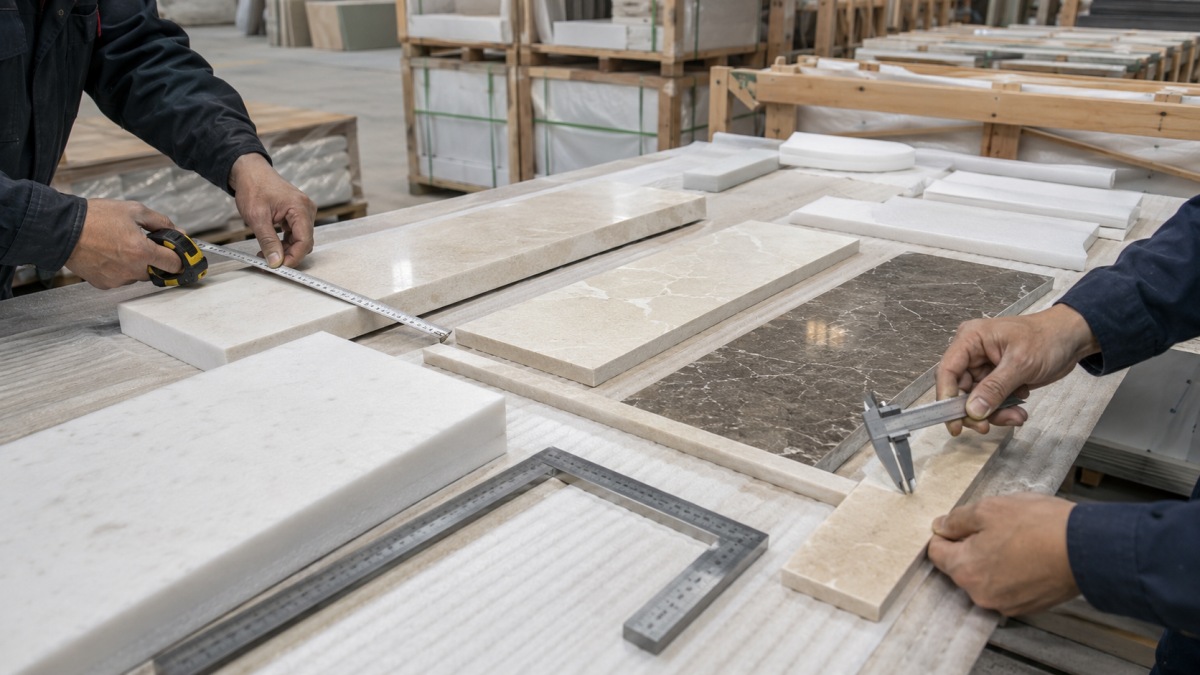
دليل عملي لاتخاذ القرارات للمشترين
اختر الألواح عندما:
لا تزال رسومات المشروع قيد التغيير.
يتمتع المشتري بقدرة تصنيع محلية قوية.
سيتم استخدام هذه المواد للتخزين.
يحتاج الفني إلى القياس والقطع بعد تأكيد الموقع.
سيتم تحديد تصميم الحجر الطبيعي محلياً.
يرغب المشتري في الحصول على أقصى قدر من المرونة بعد الوصول.
اختر الحجر المقطوع حسب المقاس عندما:
تم تأكيد الرسومات وقوائم المقاسات.
يحتوي المشروع على غرف متكررة أو مناطق قياسية.
مساحة القطع في موقع العمل محدودة.
تكلفة التصنيع المحلي مرتفعة.
سرعة التثبيت مهمة.
يُعد ترقيم القطع وتسلسل التعبئة أمراً مهماً.
ينبغي مراجعة المطابقة البصرية قبل الشحن.
يرغب المشتري في الحصول على حزمة توريد أكثر شمولاً للمشروع.
في العديد من المشاريع الحقيقية، يكون الحل الأمثل هو الحل المختلط. قد يطلب المشتري ألواحًا للمناطق التي تحتاج إلى تعديل موضعي، وقطعًا مقطوعة حسب المقاس للحمامات المتكررة، أو ألواح الجدران، أو السلالم، أو أرضيات المناطق العامة.
يتبع طلب الأحجار الذكية منطق المشروع، وليس عادة المشتري.
ما الذي يجب على المشترين تحضيره قبل طلب عرض سعر؟
بالنسبة لطلبات الألواح، يجب على المشترين تجهيز ما يلي:
اسم المادة أو اتجاه اللون
الكمية التقريبية
حجم البلاطة المفضل إذا كان مهمًا
سماكة
ينهي
مجال التطبيق
ميناء الوجهة
صور مرجعية أو عينات معتمدة إذا كان تطابق الألوان مهمًا
بالنسبة للطلبات التي تتطلب قصّاً حسب المقاس، يجب على المشترين تجهيز ما يلي:
مخططات الطوابق
ارتفاعات الجدران
رسومات أسطح العمل
رسومات السلالم إن وجدت
قائمة المقاسات
سماكة
ينهي
شكل الحافة
فتحات للأحواض، والحنفيات، والمصارف، والمقابس، وأسطح الطهي، أو غيرها من التركيبات
الكمية حسب الغرفة أو المساحة أو الطابق أو الارتفاع
تسلسل التعبئة
متطلبات وضع العلامات
موقع التركيب
متطلبات قطع الغيار
الجدول الزمني للمشروع
إذا كان المشتري مستعدًا للانتقال من مجرد التحقق من السعر العام إلى الحصول على عرض سعر حقيقي، فإن الخطوة التالية الأكثر فائدة هي أرسل رسومات المشروع لمراجعة عرض الأسعار. يسمح الطلب الواضح للمورد بتقديم عرض أسعار بناءً على النطاق الحقيقي بدلاً من التخمين.
التعليمات
هل الأحجار المقطوعة حسب المقاس أغلى دائماً من الألواح؟
ليس بالضرورة عند النظر إلى التكلفة الإجمالية للمشروع. قد تكون تكلفة التصنيع في المصنع أعلى عند استخدام الألواح المقطوعة حسب المقاس، لكنها تقلل من عمليات القطع المحلية، والنفايات، ووقت الفرز، وتأخير التركيب، والأخطاء في الموقع. قد تبدو الألواح أرخص في البداية، لكن المشتري لا يزال يتحمل تكلفة التصنيع المحلي وإدارة المخاطر بعد وصولها.
هل ينبغي لمشاريع الفنادق طلب ألواح جاهزة أم قطع مقطوعة حسب المقاس؟
يعتمد ذلك على مساحة المشروع. غالبًا ما تستفيد حمامات الفنادق، وأسطح المغاسل المتكررة، وألواح جدران الممرات، والسلالم، وتصاميم الأرضيات الثابتة من التوريد حسب المقاس. قد يكون من الأفضل توريد بعض أسطح العمل، أو التفاصيل الخاصة، أو غرف تغيير الملابس على شكل ألواح. غالبًا ما يكون الجمع بين عدة طرق أكثر واقعية من الاعتماد على شكل واحد فقط.
هل الألواح أفضل للرخام الطبيعي؟
تُعدّ الألواح خيارًا مناسبًا للرخام الطبيعي عندما يكون الاختيار المحلي، والتحكم في التصميم، ومرونة التصنيع أمورًا بالغة الأهمية. أما بالنسبة للجدران المتطابقة، والسلالم، وتصميمات الأرضيات الثابتة، والمناطق المميزة، فقد يوفر الإنتاج حسب المقاس مع التركيب الجاف والترقيم تحكمًا بصريًا أفضل.
هل يمكن طلب قطع حجر الكوارتز حسب المقاس المطلوب؟
نعم. يمكن توريد حجر الكوارتز على شكل ألواح أو تصنيعه على هيئة أسطح مطابخ، وأسطح مغاسل، وجدران خلفية، وطاولات تجارية، وغيرها من قطع الديكور الداخلي بعد تأكيد الرسومات. يجب على المشترين تحديد مواقع القطع، وملامح الحواف، ومنطق الوصلات، والسماكة، والتشطيب، ومتطلبات التعبئة.
ما هو أكبر خطأ في طلبات الأحجار المقطوعة حسب المقاس؟
أكبر خطأ هو إرسال معلومات غير مكتملة أو غير دقيقة. لا يستطيع المورد إنتاج قطع موثوقة بالمقاس المطلوب بناءً على رسومات غير واضحة، أو تفاصيل حواف مفقودة، أو أبعاد موقع خاطئة، أو تعليمات تعبئة غامضة.
ما هو أكبر خطأ في طلبات الألواح؟
أكبر خطأ هو افتراض أن شراء الألواح يعني أن المشروع تحت السيطرة. فالألواح لا تزال بحاجة إلى خطط تقطيع، ومهارات تصنيع محلية، ومساحة تخزين، ومراقبة مناولة، وتخطيط للنفايات، وتنسيق للتركيب.
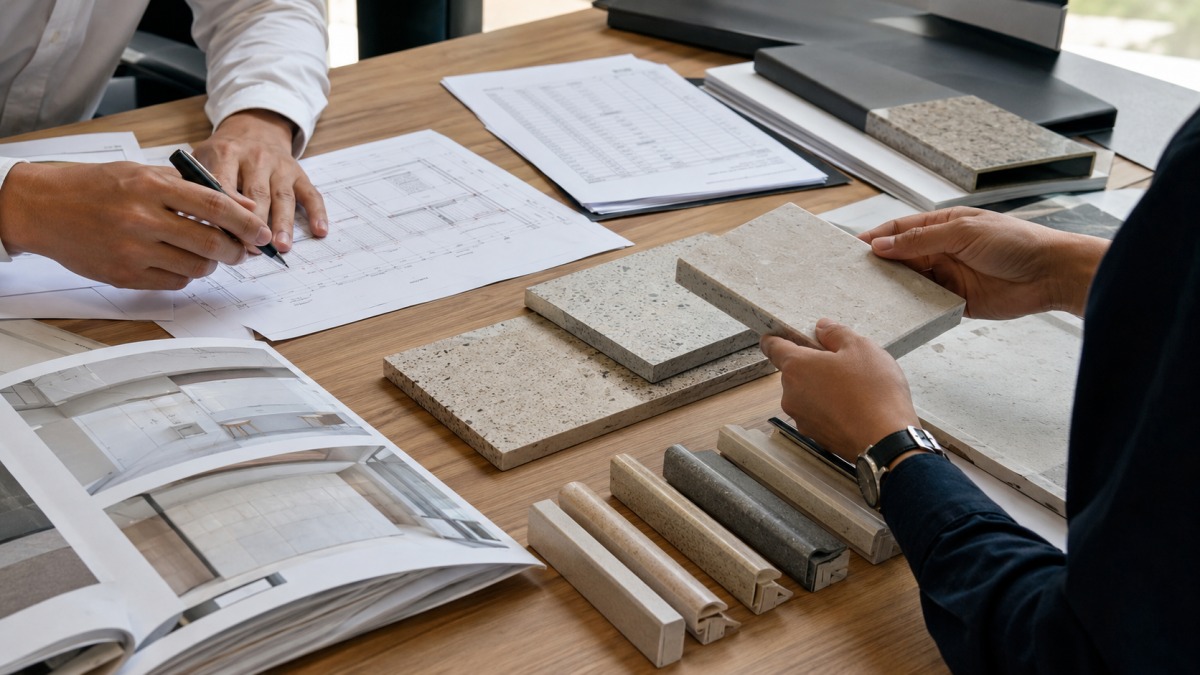
وهنا تأتي الفكرة الأخيرة
الألواح والقطع المقطوعة حسب المقاس ليست مجرد شكلين من أشكال التسعير. إنها تمثل طريقتين مختلفتين لإدارة مسؤولية المشروع.
تُعدّ الألواح أفضل عندما تكون المرونة مهمة. أما القطع المقطوعة حسب المقاس فهي أفضل عندما تكون السيطرة مهمة.
بالنسبة للموزعين والمصنعين، قد يكون توريد الألواح هو الأداة التجارية المناسبة. أما بالنسبة للمقاولين والمطورين والفنادق ومحلات البيع بالتجزئة والمشاريع التجارية ذات الرسومات المعتمدة، فإن توريد الألواح المقطوعة حسب المقاس يقلل من عدم اليقين قبل بدء التركيب.
إذا كنت تقارن بين توريد الألواح والتصنيع حسب المقاس للرخام الطبيعي، أو حجر الكوارتز، أو الرخام الصناعي، أو حجر الترازو، أو الجرانيت، أو الحجر الجيري، أو الحجر المتكلس، فإن شركة Aoli Stone يمكنها مساعدتك في مراجعة المواد، ومنطقة المشروع، والرسومات، وتفاصيل المعالجة، ومنطق التعبئة، ومتطلبات الشحن قبل الإنتاج.



 IPv6 الشبكة المدعومة